22 December 2025
The Google AI ecosystem in 2025: what concretely changes for the user
2025 marked for Google the definitive transition from a phase of experimentation to one of total integration. We are no longer talking about single functions "added" to products, but about a true restructuring of the user experience based on artificial intelli

The Google AI ecosystem in 2025: what concretely changes for the user
2025 marked for Google the definitive transition from a phase of experimentation to one of total integration. We are no longer talking about single functions "added" to products, but about a true restructuring of the user experience based on artificial intelligence. As technicians and enthusiasts of bisp&d, we have analyzed this year's evolution to understand what it really means for those who enter our laboratory seeking advice on which device to purchase.
What really changes in daily use
The most impactful novelty is not a single piece of software, but the evolution of Gemini, which has moved from being a simple chatbot to the central engine of the entire ecosystem. The practical difference is felt in three key areas:
- Search: With the introduction of AI Mode and Search Live, Google Search is no longer just a list of links, but an interlocutor capable of conversing, listening, and exploring information in real time.
- Creativity: Tools such as Veo and Flow have brought video generation and AI-assisted filmmaking directly into the hands of users, making the creation of complex content accessible to everyone.
- Productivity: The integration of Gemini into Android and Gmail (such as the automated management of newsletter subscriptions) transforms the smartphone into a proactive assistant that anticipates the user's needs.
Who is this evolution for?
The Google AI 2025 ecosystem is not aimed at everyone in the same way. We identify three main profiles:
- Students and Researchers: Thanks to tools like NotebookLM and new educational features, those who must manage large amounts of information find fundamental support for analysis and synthesis.
- Creatives and Content Creators: Those who produce videos or images find an incredible acceleration in the editing workflow in models like Nano Banana and Veo.
- "Power Users": Those seeking maximum integration between hardware and software will find the purest expression of this vision in the new Pixel 10 and Android 16.
What to check before purchasing
Artificial intelligence is powerful, but it is not always free or available on every device.
Before updating your smartphone or subscribing to a plan, we recommend checking three fundamental points:
- Hardware Requirements: Many of the most advanced functions require the specific hardware of the new Pixel models to run locally and quickly.
- Subscription Model: Distinguish between free functions and those included in Google AI Ultra, to avoid surprises regarding monthly costs.
- Software Compatibility: Ensure that the device supports Android 16 to be able to take advantage of the most recent system integrations.
Conclusions: AI as a tool, not as an end
The 2025 balance tells us that Google's AI is becoming invisible: it is no longer a "destination" (a site to visit), but a fabric that wraps every operation. For us at bisp&
Related products

LENOVO TABLET IDEA TAB TB336ZU 8GB 128GB 5G + LENOVO TAB PEN 11" ANDROID 15 LUNA GREY
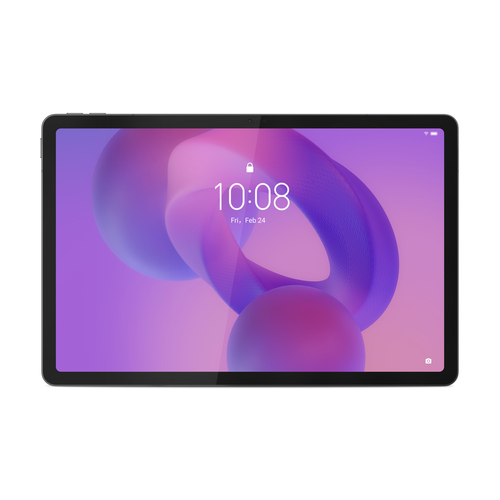
LENOVO TABLET IDEA TAB TB336ZU 8GB 256GB 5G + LENOVO TAB PEN 11" ANDROID 15 LUNA GREY
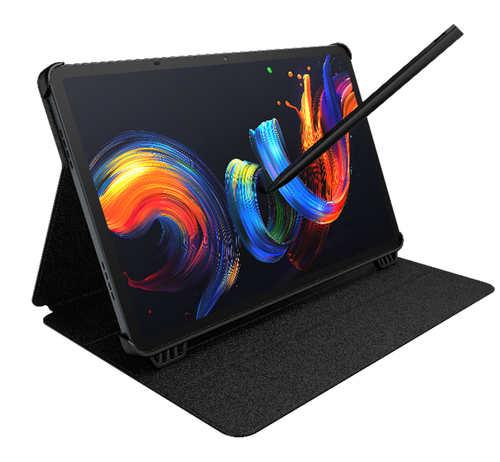
TCL TABLET PC NXTPAPER 11+ MEDIATEK HELIO G99 8GB 256GB 11,5 2.2K ANDROID + CUSTODIA E PENNINO