21 May 2026
iPhone 17 Pro: when the smartphone becomes a professional production hub
In the world of video production, the boundary between cinematic equipment and mobile devices is becoming increasingly blurred. Apple's latest move in this direction is unprecedented: the live broadcast of an entire professional sporting event, a Major League
iPhone 17 Pro: when the smartphone becomes a professional production hub
In the world of video production, the boundary between cinematic equipment and mobile devices is becoming increasingly blurred. Apple's latest move in this direction is unprecedented: the live broadcast of an entire professional sporting event, a Major League Soccer match between LA Galaxy and Houston Dynamo FC, filmed entirely with the iPhone 17 Pro.
This is not a simple experiment with "B-roll clips" or cinematic shots for social media, as previously happened with baseball. Here we are talking about an entire live production, from athlete warm-ups to angles inside the goal, managed exclusively through the iPhone ecosystem.
The technical perspective of bisp&d: what's under the hood
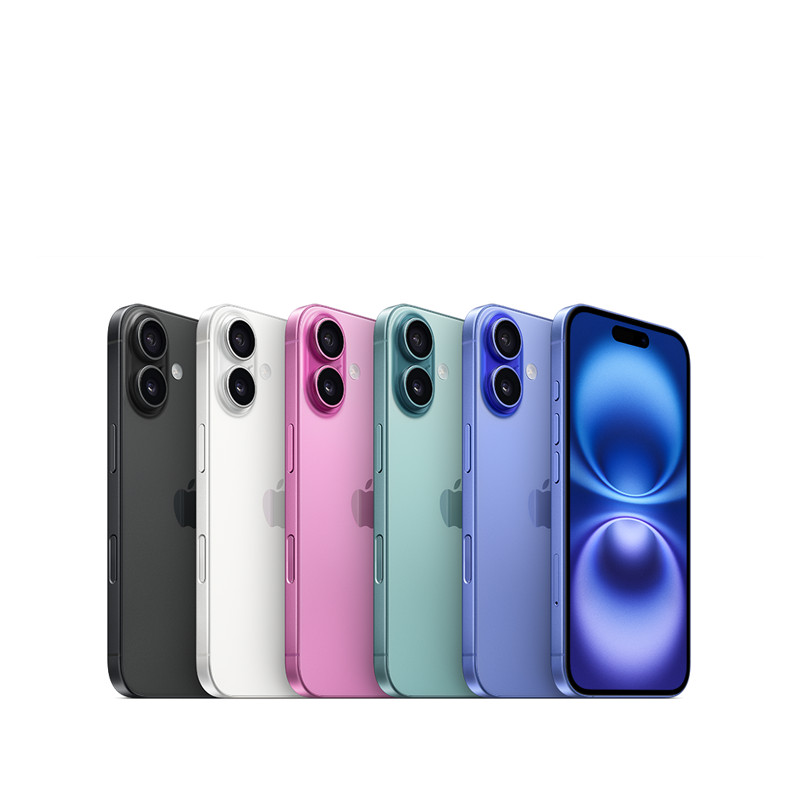
As technicians, what interests us is not only the final effect, but how the hardware enables this leap. The iPhone 17 Pro integrates three 48MP Fusion cameras which, thanks to their versatility, offer the equivalent of eight different lenses in an extremely compact body.
However, the real game-changer for professionals is the integration of Apple Log 2. This recording format allows for the capture of a much wider dynamic range, leaving ample room for post-production and color grading, which is essential for maintaining a consistent "broadcast" visual quality even in the variable lighting conditions typical of stadiums.
What actually changes in production
The main advantage is not only the image quality, but the logistical flexibility. Traditional stadium cameras are bulky and require heavy infrastructure. The use of iPhones allows for:
- Positioning shooting points in previously inaccessible locations.
- Creating dynamic and immersive angles that bring the viewer closer to the action.
- Drastically reducing setup times for atmospheric shots and behind-the-scenes footage.
Who is this evolution for?
This news is not aimed only at football fans, but at a wider audience: content creators, videomakers, and small communication agencies. It demonstrates that it is possible to achieve professional quality standards without investing in massive equipment parks, provided you know how to manage the digital workflow.
What to check before investing in a similar setup
If the idea of transforming your smartphone into a professional production tool fascinates you, remember that hardware is only one part of the equation. Before proceeding, evaluate these aspects:
- Storage capacity: Log format and high-resolution files occupy space quickly.
- Thermal management: Prolonged high-quality recording can overheat the device.
- Support accessories: Stable tripods, gimbals, and external lighting systems are indispensable for professional results.
Conclusions
The MLS event is not just a promotional showcase, but proof that the smartphone has stopped being an "emergency" alternative to become a true primary production tool.
For us at bisp&d, this confirms a clear trend: computing power and optical quality are converging into pocket-sized devices. The challenge for the end user will now be to acquire the technical skills to fully exploit such powerful tools.
Related products