10 September 2026
Apple Watch Ultra 4: the bisp&d laboratory's perspective on the new features for athletes and professionals
In the landscape of wearable devices dedicated to adventure and intense physical activity, the arrival of the new generation of rugged smartwatches always represents a technological turning point. From our workbench here in Piombino, where we daily analyze the
Apple Watch Ultra 4: the bisp&d laboratory's perspective on the new features for athletes and professionals
In the landscape of wearable devices dedicated to adventure and intense physical activity, the arrival of the new generation of rugged smartwatches always represents a technological turning point. From our workbench here in Piombino, where we daily analyze the hardware evolution and components of modern smart devices, we look at this release with particular technical interest. This is not a simple routine update, but an evolution aimed at sensor reliability and energy autonomy in the field.
The practical context and technical innovations
The technological heart of this model revolves around the introduction of the new Health Sensing System paired with the S11 processor. For those who live outdoor sports or face prolonged training sessions, the internal architecture has been deeply redesigned to optimize the continuous monitoring of biological parameters. Among the most significant engineering aspects are:
- A renewed optical and electrical system that increases the frequency of heart rate measurements and variability (HRV).
- Extended energy autonomy that reaches up to 45 hours of continuous outdoor workout tracking.
- The integration of advanced algorithms for calculating the recovery times and physical readiness of the athlete.
- Improved satellite positioning precision for the most demanding outdoor activities.
What really changes for those who use it
From the end-user perspective, the increase in the sampling frequency of vital parameters and the greater precision of on-device GPS significantly reduce the margin of error during excursions or endurance sessions. Those who rely on a sports watch to plan workloads will find more stable and consistent metrics. Furthermore, the introduction of artificial intelligence-based features managed directly by the S11 chip and the operating system opens new paths in voice interaction and the rapid memorization of notes and conversations on the move.
Who it is particularly of interest to
This device is specifically aimed at a demanding niche:
- Endurance athletes and runners who need constant and uninterrupted biometric data.
- Fans of extreme sports, hiking, and diving who operate in complex environments.
- Professionals and biohacking-oriented users who monitor their condition of daily recovery and stress with scientific attention.
What to check before purchasing
Before proceeding with the purchase of a device in this price range, as a technical editorial staff we always recommend evaluating some fundamental practical aspects:
- Ecosystem compatibility: check the version of your smartphone and full synchronization with the new sections of the dedicated health application arriving in the coming months.
- Size and fit: the robust titanium case, available in natural and black color variants, has a significant bulk designed for structured wrists and to ensure maximum outdoor readability.
- Real usage needs: if you do not make use of the advanced functions for extreme outdoor use or high-frequency continuous monitoring, evaluate whether the greater autonomy and the latest generation sensors justify the investment compared to standard models.
Wearable technology has reached an extraordinary level of medical and sports precision, but the true effectiveness of a complex tool always depends on how much its usage profile adapts to the user's actual daily and training habits.
A useful conclusion from our workshop
The Apple Watch Ultra 4 confirms itself as an absolute benchmark for those seeking structural robustness and accuracy in biometric data. Although the initial outlay is significant, the combination of resistant materials like titanium and a deeply renewed sensor compartment guarantees a high level of operational longevity. In our laboratory, we will continue to monitor the field behavior of these components to offer you, as always, qualified technical assistance and impartiality of analysis.
Related products
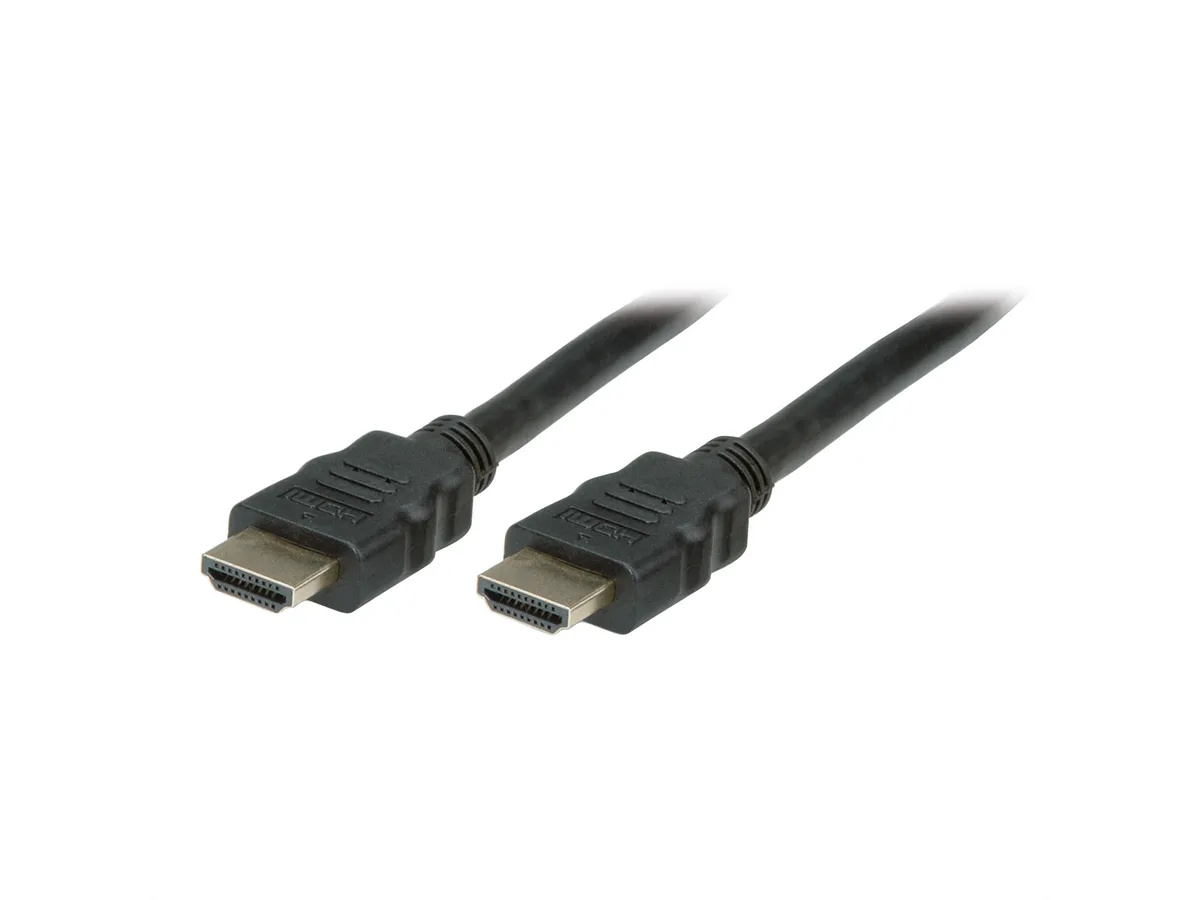
STANDARD CAVO ULTRA HDMI ETHERNET, ST/ST, 1M
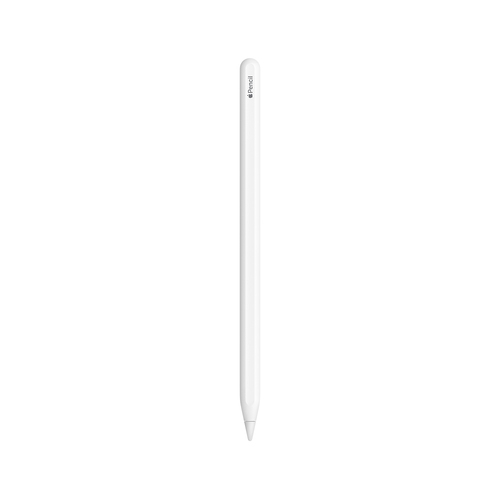
APPLE PENCIL 2ND GENERATION
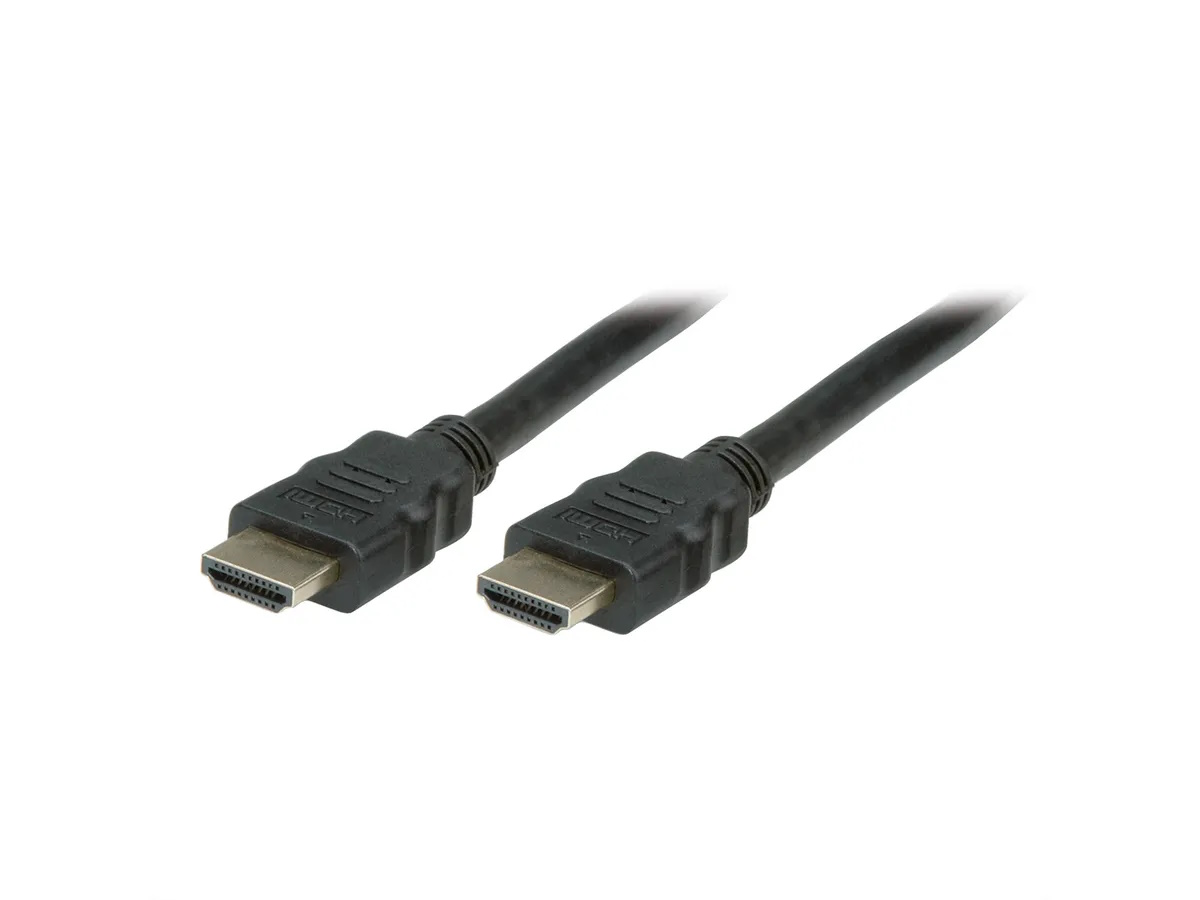
STANDARD CAVO ULTRA HDMI, ETHERNET, ST/ST, 3M