30 June 2026
The Evolution of Agentic AI: Claude Lands on NVIDIA GB300 Blackwell Ultra
In the artificial intelligence landscape, computing power is no longer just a support, but the engine that defines what a model can actually do. The latest integration between Anthropic, NVIDIA, and Microsoft Azure marks a fundamental step in this direction: C
The Evolution of Agentic AI: Claude Lands on NVIDIA GB300 Blackwell Ultra
In the artificial intelligence landscape, computing power is no longer just a support, but the engine that defines what a model can actually do. The latest integration between Anthropic, NVIDIA, and Microsoft Azure marks a fundamental step in this direction: Claude models are now available in Microsoft Foundry, running on the NVIDIA GB300 Blackwell Ultra architecture.
What actually changes for businesses?
The transition to this new infrastructure is not just about response speed, but the enablement of what is defined as agentic AI. While traditional chatbots answer questions, autonomous agents are capable of executing complex tasks, coordinating with each other, and operating specifically within a business domain.
The use of NVIDIA GB300 NVL72 systems, supported by Quantum-X800 InfiniBand networking, allows for a drastic reduction in inference times and improved energy efficiency. For a company, this translates into a lower total cost of ownership (TCO) and the ability to deploy specialized agents that can manage autonomous workflows without the computational bottlenecks of the past.
The bisp&d point of view: hardware as an enabler
From our technological observatory, we often see AI as an "abstract" service in the cloud. However, this update reminds us that artificial intelligence is, first and foremost, a matter of hardware. Without the computing power of Blackwell Ultra, the idea of autonomous agents operating in real-time on large volumes of data would remain theoretical.
The integration of NVIDIA tools directly into the Anthropic stack allows for the creation of specific "skills" for agents. We are no longer talking about a generic model, but a system that can be trained and optimized to become the actual operating system of an organization.
Who is this innovation for?
This evolution is primarily aimed at:
- Azure-native companies that wish to implement advanced automations without migrating their data.
- Enterprise software developers who need models with high inference performance for real-time applications.
- Organizations requiring high security, thanks to the integration with the NVIDIA Secure Agent Workspace Reference Design.
What to verify before proceeding
Before implementing agents based on Claude and GB300, it is essential to analyze some critical points:
- Date governance: Verify that the runtime environment and access policies are configured at the infrastructure level.
- Ecosystem compatibility: Ensure that business workflows are ready for interaction with autonomous agents and not just chat interfaces.
- Network infrastructure: Evaluate whether the current Azure architecture is optimized to leverage accelerated networking capabilities.
Conclusions
The union between Claude's intelligence and the raw power of NVIDIA Blackwell Ultra raises the bar for enterprise AI. It is no longer just about generating text, but about building an autonomous, efficient, and secure digital workforce. For those operating in the technology sector, it is the signal that the era of passive assistants is over and the era of active agents has begun.
Related products
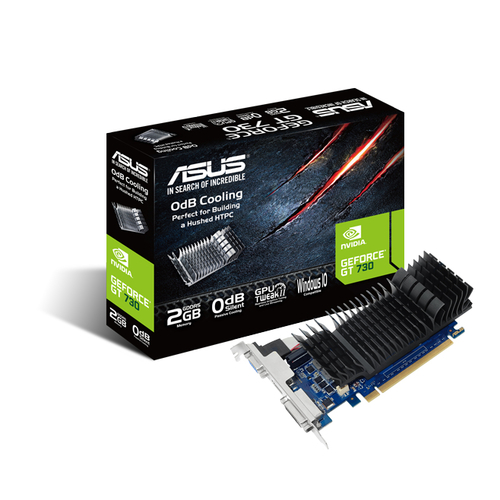
ASUS VGA GEFORCE GT 730, GT730-SL-2GD5-BRK, 2GB GDDR5, VGA/DVI/HDMI, 90YV06N2-M0NA00

ASUS NB 16" TUF i7-14650HX 16GB 1T SSD RTX 5070 8GB WIN 11 HOME
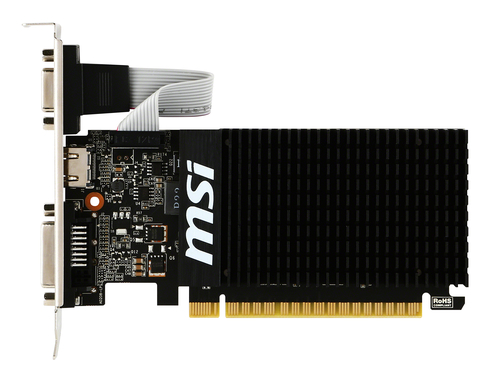
MSI VGA GEFORCE GT 710, GT 710 2GD3H LP, 2GB GDDR3, DVI/HDMI/VGA, LP