07 July 2026
Seven years of foldables: the evolution of mobile design according to Samsung
When Samsung introduced the first Galaxy Fold to the market in 2019, the technology sector witnessed a true paradigm shift. It was not just the launch of a new model, but the birth of an unprecedented category of devices. Seven years later, we at bisp&d observ
Seven years of foldables: the evolution of mobile design according to Samsung
When Samsung introduced the first Galaxy Fold to the market in 2019, the technology sector witnessed a true paradigm shift. It was not just the launch of a new model, but the birth of an unprecedented category of devices. Seven years later, we at bisp&d observe how this gamble has transformed into a consolidated standard, capable of profoundly influencing the way we interact with mobile technology in our daily lives.
What has really changed over time
The evolution of foldable devices has not been merely aesthetic, but deeply engineering-based. The transition from early polymer screens to the adoption of Ultra Thin Glass (UTG) marked a fundamental turning point, drastically improving the tactile feel and longevity of the panel. In parallel, the introduction of IPX8 water resistance debunked the myth that mechanical complexity must necessarily translate into fragility.
From a technical standpoint, the refinement of the hinge—culminating in the "zero-gap" Flex Hinge technology—has allowed for the elimination of the empty space between the two halves of the device when closed. The result is a thinner, more ergonomic, and balanced object that integrates the portability of the clamshell format of the Galaxy Z Flip series with the computing power required by modern users.
The point of view of bisp&d
As a technology laboratory, we follow these innovations closely. The real challenge won by Samsung was not just the folding itself, but the integration of complex hardware components into a chassis that must remain manageable. For the end user, this today means having access to tools that combine the productivity of a tablet with the pocketability of a traditional smartphone, without having to compromise on build quality.
Who this technology is for
Foldable devices are ideal for:
- Professionals on the move: who need an extended workspace to manage documents or multitasking without the weight of a laptop.
- Tech enthusiasts: who are looking for a distinctive and cutting-edge user experience.
- Design-conscious users: who appreciate the versatility of a device capable of adapting to different usage modes, from viewing multimedia content to creative photography.
What to check before buying
Before switching to a foldable device, it is essential to evaluate some practical features:
- App management: verify that the applications you use daily are optimized for the foldable screen format.
- Usage habits: consider whether your lifestyle requires a device that prioritizes compactness (Z Flip) or display surface (Z Fold).
- Maintenance: remember that, although they have become extremely resistant, foldable displays require special care compared to traditional glass, avoiding contact with sharp objects.
Conclusion
The path taken by Samsung over these seven years demonstrates that the future of mobile is no longer static. With the approach of new generations of devices, attention is now shifting toward further optimization of the user experience. If you are thinking about upgrading your smartphone, foldables today represent a mature and reliable choice, capable of offering concrete advantages in terms of versatility and innovation.
Related products
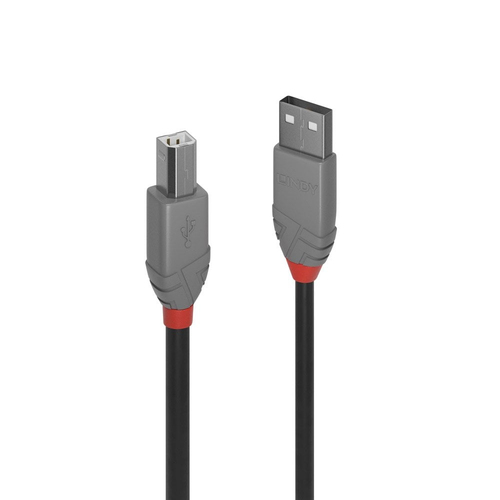
LINDY CAVO USB ANTHRA LINE 2.0 TIPO A MASCHIO A B MASCHIO 3 MT DOPPIA SCHERMATURA GUSCIO IN PVC 10 YEARS DI GARANZIA
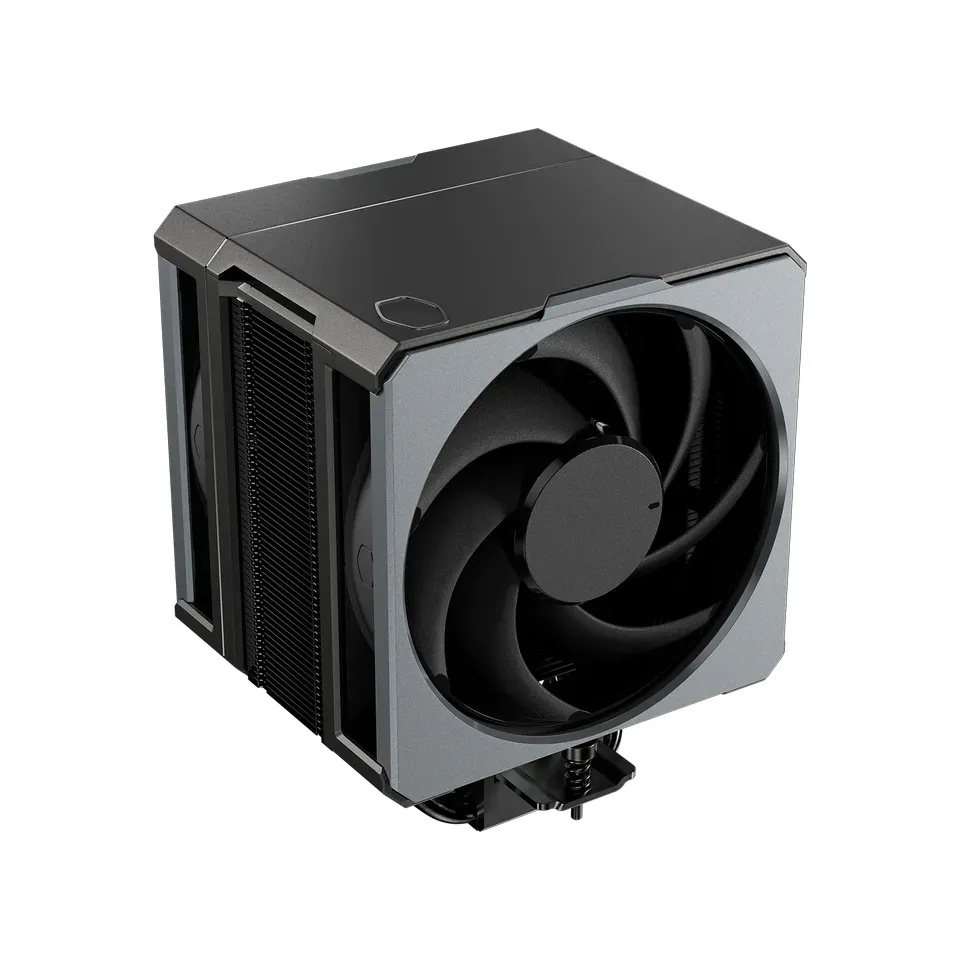
COOLER MASTER DISSIPATORE HYPER 612 APEX, 6 HEATPIPES, DESIGN COMPATTO, TDP 260W

FORTIGATE-50G FIREWALL HARDWARE PIU 3 YEARS DI SERVIZI FORTICARE PREMIUM E FORTIGUARD UTP