09 June 2026
Siri AI and the EU block: what happens to iPhone and iPad with iOS 27
The evolution of Apple's artificial intelligence, dubbed Siri AI, is clashing with a major regulatory obstacle. Due to discrepancies with the Digital Markets Act (DMA), the European Union will not see the implementation of these advanced features on iPhone and
Siri AI and the EU block: what happens to iPhone and iPad with iOS 27
The evolution of Apple's artificial intelligence, dubbed Siri AI, is clashing with a major regulatory obstacle. Due to discrepancies with the Digital Markets Act (DMA), the European Union will not see the implementation of these advanced features on iPhone and iPad at the time of the launch of iOS 27 and iPadOS 27.
The bone of contention: privacy versus openness
The heart of the problem lies in a different interpretation of data security. Apple designed Siri AI based on an on-device processing model and Private Cloud Compute to ensure maximum confidentiality. However, European regulators require that any virtual assistant have almost unlimited access to user data and the ability to autonomously control installed applications.
Apple proposed the introduction of a "Trusted System Agent", an intermediary to manage access securely, but the European Commission has rejected every proposal, currently making the release schedule for the EU market uncertain.
What concretely changes for the user
For those using Apple devices in Europe, the impact will be immediate and tangible. Here is what will not be available on iOS 27, iPadOS 27 and, consequently, on watchOS 27 (which depends on the iPhone):
- Integrated writing tools: the new drafting and text correction assistance features.
- Visual Intelligence: the expanded visual recognition experience.
- Siri mode in Camera: the integration of AI directly into the Camera app.
- Dedicated conversations app: the tool for revisiting and managing dialogues with the assistant.
However, there is an important exception: Siri AI will be available in Europe on macOS 27 and visionOS 27. This means that Apple's artificial intelligence will arrive on Macs and headsets, but will remain excluded from mobile devices.
The point of view of bisp&d: who it affects and what to do
As a technology lab, we often observe users purchasing the latest iPhone model driven by marketing promises about AI. In this scenario, the "power user" or the professional who would rely on Siri AI's writing and productivity tools will find themselves at a temporary disadvantage compared to non-EU users.
What to check before a purchase:
- The purchase objective: if the only reason to switch to a new device is the use of Siri AI on mobile, be aware that there is currently no certain date for its arrival in Italy.
- The ecosystem: if you mainly use Mac, you can still benefit from the new Apple Intelligence features.
- App development: developers residing in the EU must consider that they will not be able to test Siri AI features on iOS, iPadOS, and watchOS.
Conclusions
We are facing a rare case where the hardware is ready, but the software is held back by legislative bureaucracy. Although data security is a fundamental value, the absence of these features makes the update to
Related products
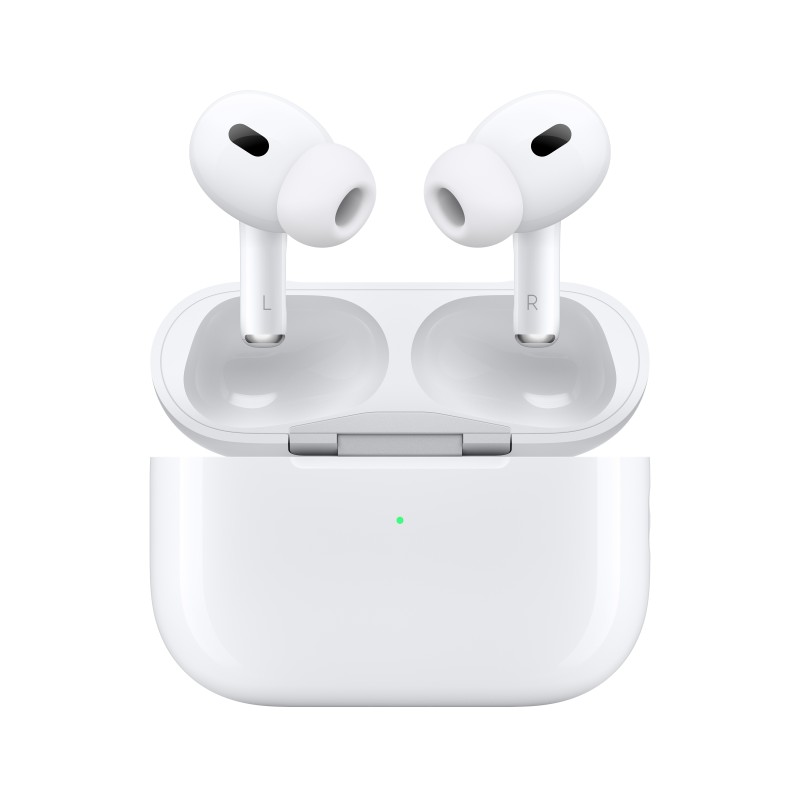
APPLE AIRPODS PRO 2ND GENERATION WITH MAGSAFE CASE USB C UKCA
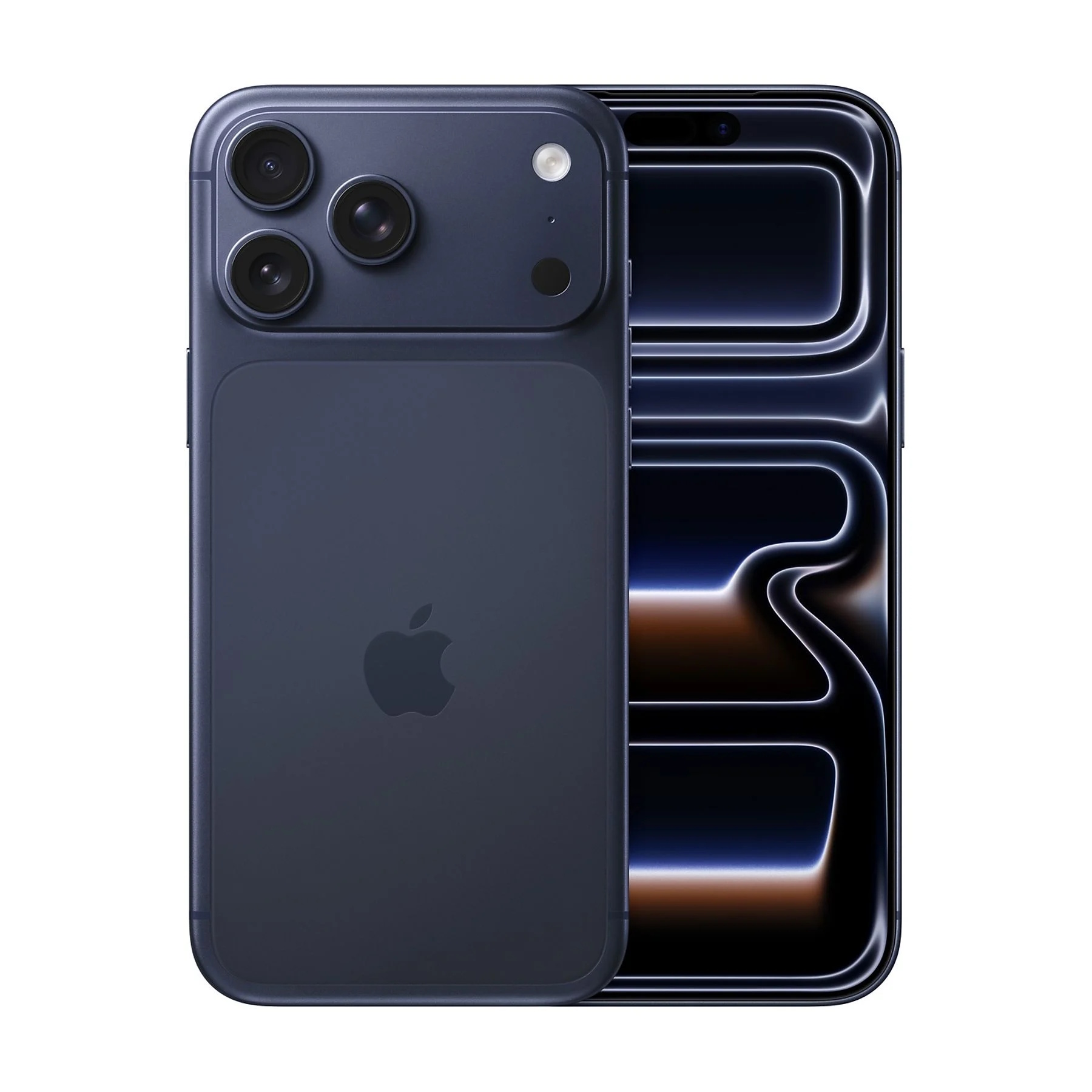
APPLE IPHONE 17 PRO MAX 256GB DEEP BLUE
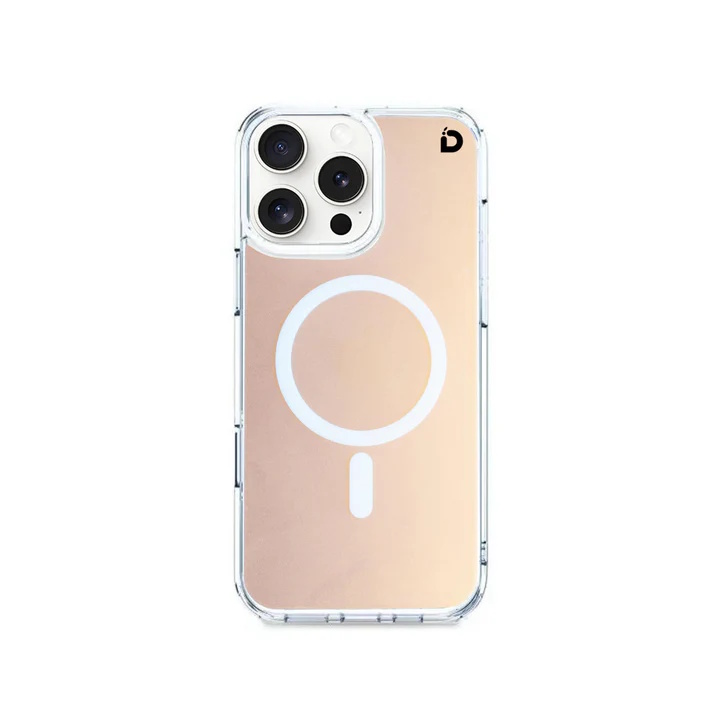
IDUDE COVER TANK MAGSAFE YOUNG IPHONE 14 PRO BLU