13 August 2026
Google presents the new Pixel 11 range: what is really new
Google has announced a wide lineup of devices that revolves around a precise concept: bringing Gemini Intelligence to the center of the user experience, no longer as an accessory function but as a transversal layer that connects smartphones, smartwatches, and

Google presents the new Pixel 11 range: what is really new
Google has announced a wide lineup of devices that revolves around a precise concept: bringing Gemini Intelligence to the center of the user experience, no longer as an accessory function but as a transversal layer that connects smartphones, smartwatches, and a new accessory for finding objects. The presentation, dated August 12, 2026, introduces four phone variants, a new watch, and an unprecedented product for the brand.
The Pixel 11 family
The phone range is divided into Pixel 11, Pixel 11 Pro, Pixel 11 Pro XL, and Pixel 11 Pro Fold. Google emphasizes a more resistant construction and a revised camera system, designed to deliver shots consistent with the user's personal style. The message is clear: differentiation does not come only from materials or format, but from how the software interprets the scene and supports the capture.
For those considering an upgrade, there are three points to consider: durability over time (the declared robustness is a relevant practical element), photographic consistency (personal style functions must be tested in the field, not just in the showroom), and integration with Gemini, which according to the company is the true common thread of the generation.
Pixel Watch 5: health and training at the center
The fifth-generation smartwatch introduces proactive Gemini Intelligence capabilities, personalized strength coaching, and more precise GPS tracking. The most interesting part concerns health: Google talks about monitoring blood pressure trends and insulin resistance, in addition to an "industry-first" function for a smartwatch, namely respiratory emergency detection. These are functions that, if clinically certified and validated, can make the Watch 5 a reference in the wearable segment.
Before purchasing, however, it is essential to verify three aspects: the actual availability of health functions in one's country, often subject to regulatory processes; the real precision of the GPS compared to previous generations; and the battery life with active coaching, which can greatly affect the daily user experience.
Pixel Tag: Google's first tracker
With Pixel Tag, Google enters the world of finder tags, leveraging the Find Hub network to locate objects. The stainless steel construction and long-lasting battery suggest a premium positioning, while the integrated speaker adds an audible signal useful when the object is nearby. It is a product designed for those looking for an alternative to the trackers already widespread on the market, with the potential advantage of native integration into the Pixel and Android ecosystem.
Google's strategy is clear: to build a coherent ecosystem in which smartphone, watch, and accessories share the same artificial intelligence and the same network of services.
The bisp&d point of view
The 2026 lineup marks a change of pace: Pixel is no longer just a phone, but a system. For those who already own a recent Pixel, the leap is worth it especially if looking for the new health functions of the Watch 5 or the fold format. For those coming from Android devices from other manufacturers, the combination of Pixel 11 Pro Fold and Pixel Tag can represent a complete entry into the Google ecosystem. Before purchasing, we recommend comparing the full specifications, checking the coverage of Gemini functions in Italy, and evaluating the actual availability of health services, which remain the true element of discontinuity compared to the past.
Related products

LENOVO TABLET IDEA TAB TB336ZU 8GB 128GB 5G + LENOVO TAB PEN 11" ANDROID 15 LUNA GREY
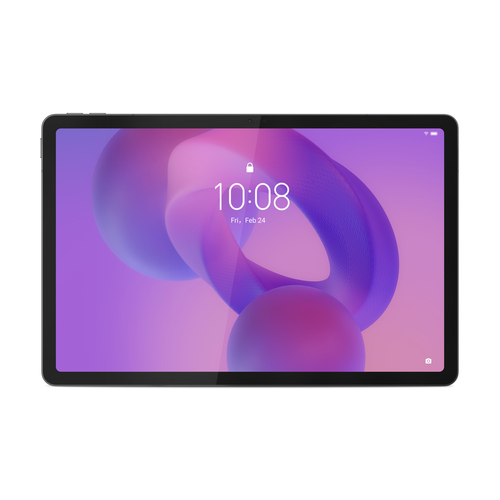
LENOVO TABLET IDEA TAB TB336ZU 8GB 256GB 5G + LENOVO TAB PEN 11" ANDROID 15 LUNA GREY
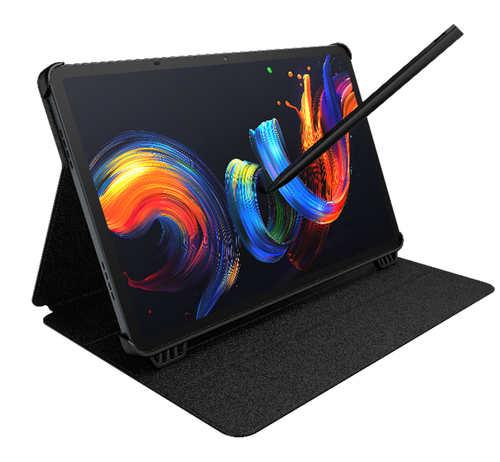
TCL TABLET PC NXTPAPER 11+ MEDIATEK HELIO G99 8GB 256GB 11,5 2.2K ANDROID + CUSTODIA E PENNINO