06 November 2026
Hogwarts Legacy and GeForce NOW: the evolution of cloud gaming according to bisp&d
The streaming gaming landscape continues to evolve rapidly, offering enthusiasts unique visual experiences even on devices that are not natively top-tier. The recent technological integration affecting the GeForce NOW platform demonstrates how the cloud is dra
Hogwarts Legacy and GeForce NOW: the evolution of cloud gaming according to bisp&d
The streaming gaming landscape continues to evolve rapidly, offering enthusiasts unique visual experiences even on devices that are not natively top-tier. The recent technological integration affecting the GeForce NOW platform demonstrates how the cloud is drastically reducing the gap with enthusiast-grade local hardware. From our technological observatory in Piombino, we closely follow these updates because they redefine the very concept of video game accessibility.
What really changes with the new update
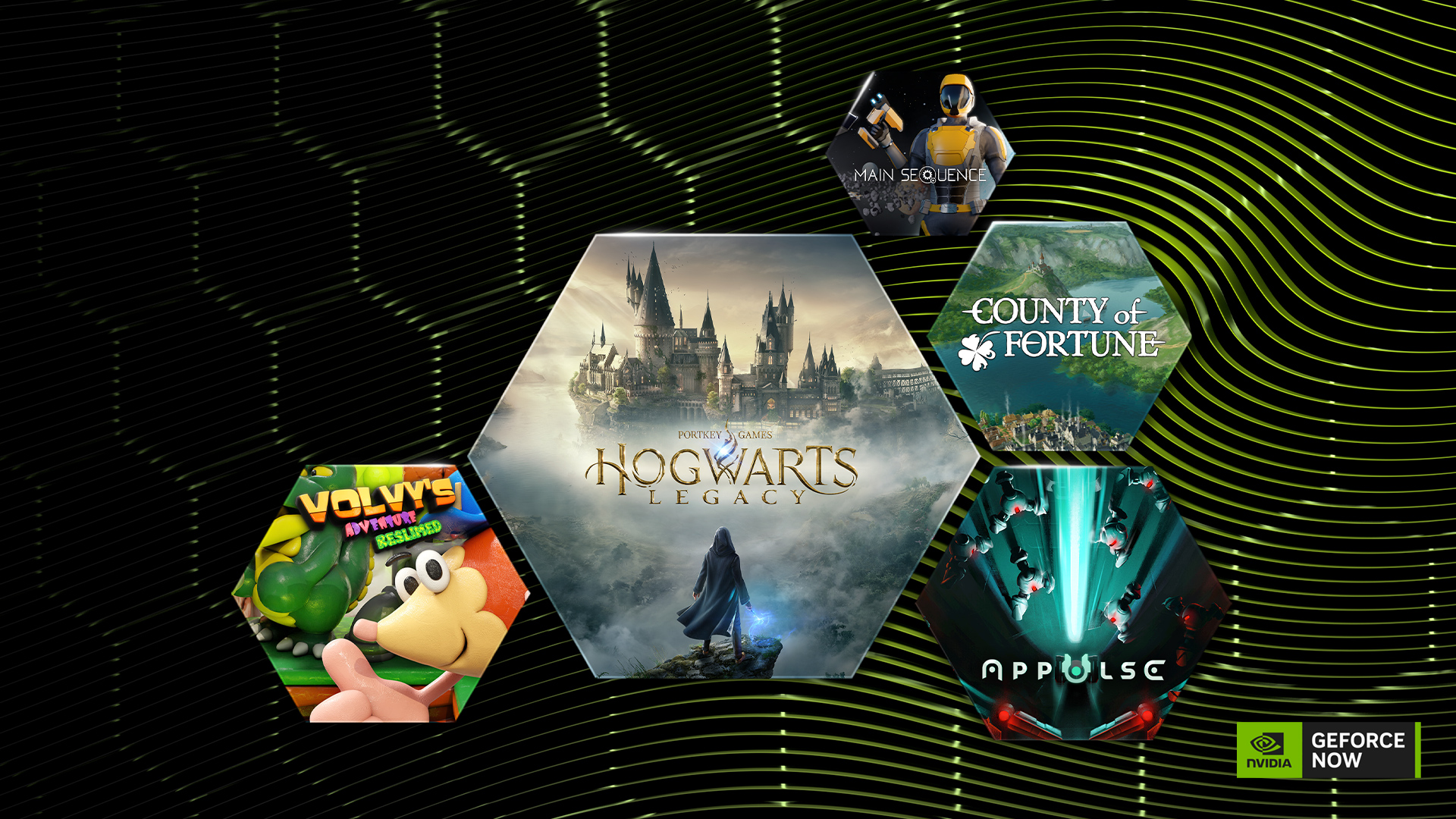
The core of the new features involves the introduction of advanced neural rendering and artificial intelligence technologies applied to blockbuster titles such as Hogwarts Legacy. The implementation of systems based on 3D-Guided Neural Rendering and advanced controls makes it possible to achieve an extremely faithful level of detail and lighting, preserving the original visual style intended by the developers. Simply put, the magical world of Hogwarts acquires a new visual depth without the user needing to own a latest-generation computer.
Beyond the graphics department, NVIDIA's service enriches its offering with important editorial and content updates:
- Advanced graphic updates: More realistic lighting and materials managed directly by the cloud servers.
- New eMMO and strategic contents: The arrival of unreleased chapters and major expansions by Blizzard and Ubisoft.
- Mod support: Integration of tools for managing addons in compatible titles.
- Lightened local management: No burdensome downloads or updates on the hard drives of personal devices.
The competent bisp&d perspective
From a system engineering standpoint, the strength of cloud gaming lies in the shifting of the computational load. For those who use outdated hardware configurations or prefer to play on the go on laptops, tablets, or pocket devices, relying on remote infrastructures equipped with latest-generation graphics cards represents a concrete solution. It is no longer just a convenient alternative, but a mature ecosystem that autonomously manages patches, installations, and complex optimizations, eliminating the waiting times typical of heavy downloads.
What to check before proceeding
Before diving into new gaming sessions via streaming, it is essential to perform a few crucial technical checks to ensure a smooth and latency-free experience:
- Network stability: Make sure you have a stable broadband connection, preferably via Ethernet cable or 5GHz Wi-Fi.
- Subscription requirements: Verify that you have the appropriate subscription tier to take advantage of advanced graphic performance and higher-tier servers.
- Title ownership: Remember that GeForce NOW requires legitimate ownership of the game on supported distribution platforms (such as Steam, Epic Games Store, or Battle.net).
Useful conclusions for the player
The catalog expansion and the refinement of upscaling and rendering technologies in the cloud confirm that the future of digital entertainment points straight to flexibility. For gamers who desire maximum visual quality without the burden of continuous and expensive local hardware upgrades, utilizing these platforms represents a solid and efficient choice today. Come visit us at our laboratory in Piombino to find out more about ideal network configurations to optimize your streaming gaming sessions.
Related products
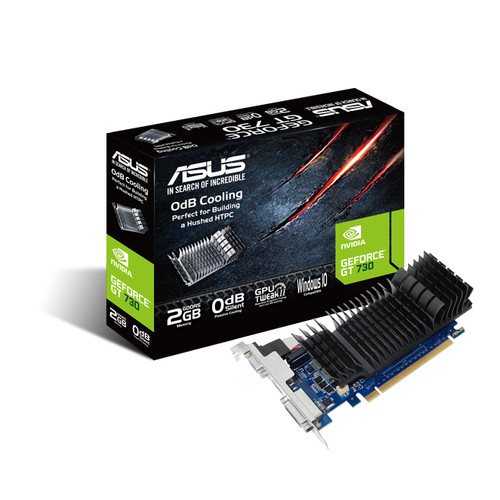
ASUS VGA GEFORCE GT 730, GT730-SL-2GD5-BRK, 2GB GDDR5, VGA/DVI/HDMI, 90YV06N2-M0NA00
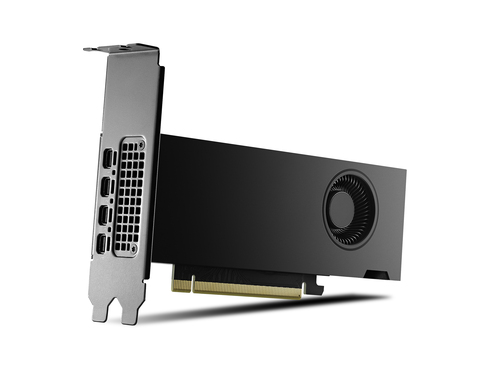
PNY VGA QUADRO RTX 2000 ADA, 16GB GDDR6, 4x mDP, VERS OEM
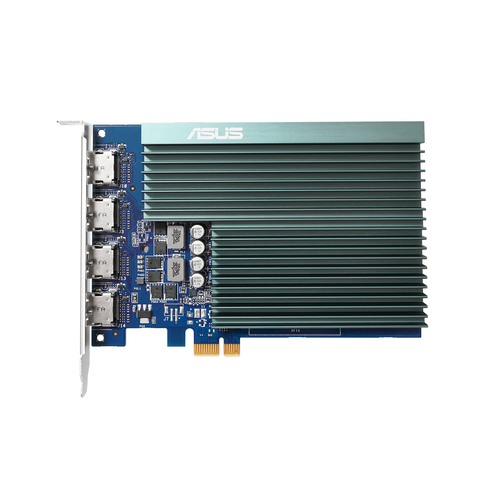
ASUS VGA GEFORCE GT 730, GT730-4H-SL-2GD5, 2GB GDDR5, HDMI , 90YV0H20-M0NA00