02 October 2026
GPT-6 Astra Ultrafast: when inference speed transforms daily operations
In the current technological landscape, the evolution of artificial intelligence models is no longer measured solely in terms of pure computing capacity or complex parameters, but above all in the responsiveness with which they manage to dialogue with systems
GPT-6 Astra Ultrafast: when inference speed transforms daily operations
In the current technological landscape, the evolution of artificial intelligence models is no longer measured solely in terms of pure computing capacity or complex parameters, but above all in the responsiveness with which they manage to dialogue with systems and users. From our technological laboratory perspective, every generational leap in hardware and software efficiency represents a crucial piece for those who develop, manage infrastructures, or use advanced productivity tools. The recent innovations introduced by OpenAI with the release of the GPT-6 Astra Ultrafast mode, supported by NVIDIA's hardware architecture, mark an important step toward increasingly fluid interaction free from waiting times.
The bisp&d perspective: efficiency and concreteness in the field
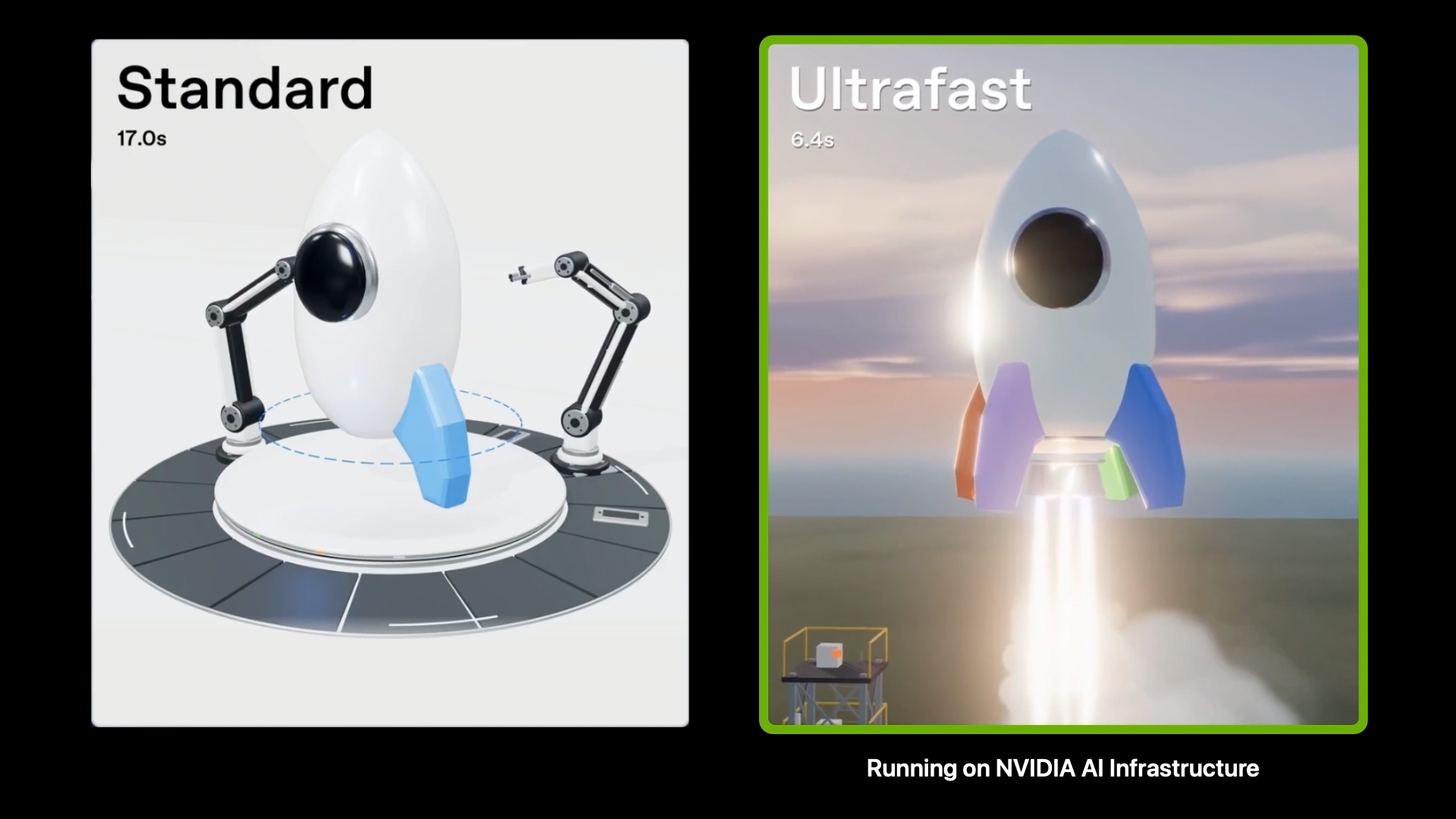
From the workbench of our laboratory in Piombino, we constantly observe how latency is the true bottleneck in the adoption of advanced tools. When a system takes precious seconds to process a request, the workflow is interrupted. The new Ultrafast mode promises a noticeable increase in token generation—up to eight times higher than the standard version of Astra—thanks to targeted optimization work on the dedicated hardware architecture. This is not simply a matter of abstract numbers, but of a tangible reduction in downtime within complex processes.
What really changes for developers and workers
The impact of such accelerated token generation is felt particularly in iterative workflows. When a software agent is tasked with writing code, testing it, identifying bugs, and correcting errors, every single step requires repeated calls and responses. Reducing the waiting time between one instruction and another radically transforms the user experience:
- Programming and debugging cycles become continuous and frustration-free.
- Interactive applications respond in real time, simulating a natural human conversation.
- Efficiency in using integrated tools reduces the overall time needed to complete complex activities.
Who this technological evolution is for
This update is primarily designed for developers, professionals who use programming-oriented work environments, and companies that integrate advanced solutions via API. Those who manage automated workflows or intelligent agents will find this increased responsiveness a fundamental ally to speed up daily operations, reducing waiting times in analysis and technical content generation processes.
What to check before proceeding
Before integrating or adopting solutions based on this new mode within your systems, it is advisable to carry out some preliminary checks:
- Account compatibility: Verify access via OpenAI APIs or specific requirements for enabled users.
- Cost structure: Consult official guides to understand details related to pricing and token consumption in Ultrafast mode.
- Application requirements: Evaluate whether your workflows actually benefit from faster response speeds or if the standard version is still sufficient.
A useful conclusion for the digital future
Speed is not a mere performance whim, but the factor that determines whether a technology becomes a daily working tool or remains an end-in-itself experiment.
The integration between optimized software and advanced hardware platforms demonstrates that the future of artificial intelligence passes through latency reduction and increased practical productivity. Continuing to monitor these updates allows professionals and enthusiasts to keep their systems always at the cutting edge, ready to seize every opportunity for operational improvement.
Related products
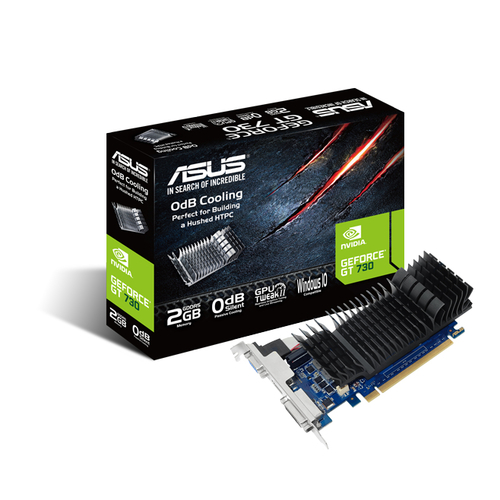
ASUS VGA GEFORCE GT 730, GT730-SL-2GD5-BRK, 2GB GDDR5, VGA/DVI/HDMI, 90YV06N2-M0NA00

ASUS NB 16" TUF i7-14650HX 16GB 1T SSD RTX 5070 8GB WIN 11 HOME
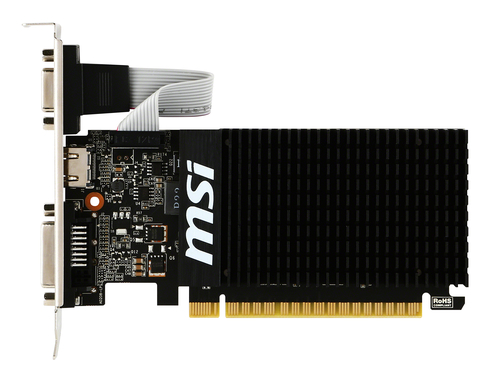
MSI VGA GEFORCE GT 710, GT 710 2GD3H LP, 2GB GDDR3, DVI/HDMI/VGA, LP