01 August 2026
The future is in sight: Samsung opens the era of AI glasses
During the latest Galaxy Unpacked in July 2026, Samsung marked a turning point in the technological landscape by presenting its new smart glasses. This is not simply a new gadget, but a concrete attempt to redefine how we interact with artificial intelligence,
The future is in sight: Samsung opens the era of AI glasses
During the latest Galaxy Unpacked in July 2026, Samsung marked a turning point in the technological landscape by presenting its new smart glasses. This is not simply a new gadget, but a concrete attempt to redefine how we interact with artificial intelligence, shifting the focus from the smartphone interface to a wearable device that promises to become a true extension of our gaze.
What really changes with AI glasses?
Samsung's vision, illustrated by James Choi, Executive Vice President of the XR R&D team, is clear: the goal is not to replace the smartphone, but to reduce dependence on it. The smart glasses are designed to understand what the user sees, hears, and experiences in real time. This shift transforms AI from a tool "to be consulted" on a screen into a contextual assistant that accompanies the user, making interactions more natural and fluid.
The point of view of bisp&d: invisible engineering
As a technology laboratory, we look with interest at the engineering challenge that Samsung has faced. Often, in the wearable sector, the limitation has been design: a device that is too heavy or bulky inevitably ends up in a drawer. Samsung has bet everything on wearability, working on three fundamental pillars:
- Thermal management: The integration of materials such as thermal graphite to isolate the processor's heat from the user's face.
- Computational ergonomics: A design studied to adapt to different face shapes, balancing weight between the forehead, cheekbones, and temples.
- Daily durability: Rigorous tests that go beyond electronics, including resistance to sweat, cosmetics, and mechanical stress on the hinges.
Who is this technology aimed at?
These devices are designed for those who live immersed in the Galaxy ecosystem and are looking for a more immediate way to access mobile AI functions. They are ideal for those who want "hands-free" interaction during daily activities, allowing them to receive information or assistance without having to constantly pull the phone out of their pocket.
What to check before a future purchase
Although enthusiasm is high, as experts, we always recommend evaluating some practical aspects before approaching such new technology:
- Prolonged comfort: The perception of weight is subjective. Even if the design is optimized, a physical trial remains fundamental to understand if the device is suitable for your own anatomy.
- Ecosystem integration: Verify full compatibility with your current Galaxy devices to ensure smooth synchronization.
- Real-world usage: Ask yourself in which moments of the day the AI integrated into the glasses could actually simplify your life, to understand if the added value justifies the investment.
Conclusion
The smart glasses presented by Samsung represent a courageous step towards a more human interface that is less mediated by screens. The road to the "mainstream" is still long, but the obsessive attention to material engineering and resistance to daily use suggests that this time the sector is ready for a real evolution. We at bisp&d will continue to monitor the integration of these systems, ready to support you in understanding how these innovations can integrate into your technological daily life.
Related products

SAMSUNG SSD 990 PROPCIE GEN 4.0 X 4 NVME 1TB 6900MB S W 7450MB S R
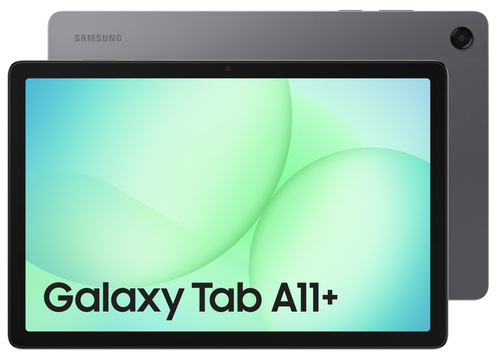
SAMSUNG GALAXY TAB A11+ 11 6GB 128GB Wi-Fi 5 GRAY
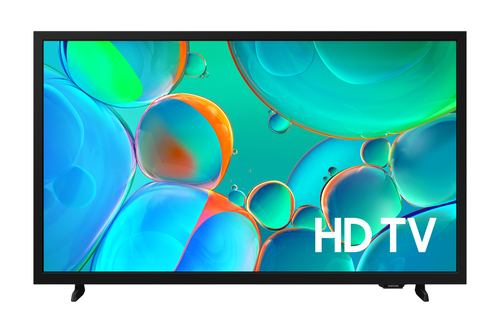
SAMSUNG SMART TV 32 HD 4K NERO