27 August 2026
The future of PC gaming: what to expect from NVIDIA RTX Spark
The PC gaming landscape is about to face a significant change. During the latest edition of Gamescom, NVIDIA revealed details regarding RTX Spark, a platform that promises to redefine the concept of personal computing. As a technological laboratory, at bisp&d
The future of PC gaming: what to expect from NVIDIA RTX Spark
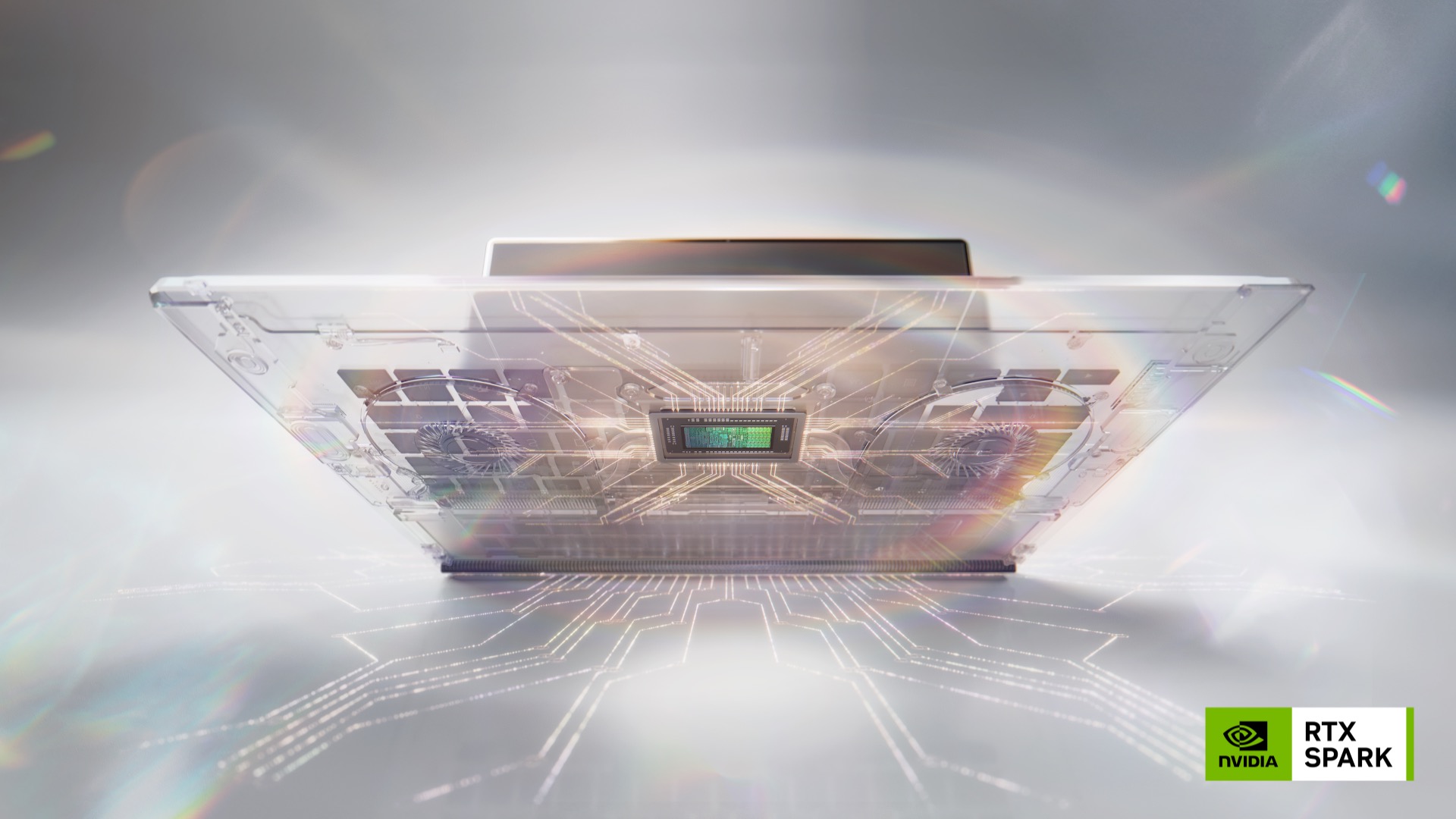
The PC gaming landscape is about to face a significant change. During the latest edition of Gamescom, NVIDIA revealed details regarding RTX Spark, a platform that promises to redefine the concept of personal computing. As a technological laboratory, at bisp&d we closely follow these evolutions: it is not just a hardware update, but an integrated ecosystem that combines artificial intelligence, content creation, and high-level gaming performance.
What is RTX Spark and why it matters
RTX Spark is not a simple video card, but a platform designed from the ground up for the next generation of Windows PCs. NVIDIA's stated goal is to offer a seamless experience that integrates personal AI agents and advanced graphics technologies. For the gamer, this means being able to count on a system natively optimized to leverage DLSS and Reflex, ensuring not only a high frame rate but also reduced latency and superior visual quality.
Support from major industry names, such as Electronic Arts, Embark, and Ubisoft, is a strong signal. Flagship titles like Anno 117: Pax Romana, ARC Raiders, and THE FINALS have been developed to run without compromise on this architecture, demonstrating that the computing power of a single chip can handle complex and detail-rich scenarios without sacrificing graphical fidelity.
What really changes for the end user
The most interesting news for those who play online is the native integration of advanced security systems, such as EA Javelin Anticheat. Often, the introduction of new hardware platforms creates conflicts with anti-cheat software; in this case, the direct collaboration between NVIDIA and developers aims to eliminate these frictions, ensuring a fair and stable gaming environment from launch.
In addition to RTX Spark, NVIDIA introduced DLSS 4.5 with Ray Reconstruction. This technology uses a model based on neural networks trained on supercomputers to reconstruct missing pixels in ray-traced scenes, offering a significantly higher image quality compared to traditional denoisers. It is a concrete step forward for those seeking maximum visual realism.
What to check before a potential upgrade
If you are thinking about upgrading your setup in view of the autumn, here are some points to reflect on:
- System compatibility: RTX Spark is designed for the new generation of Windows PCs. Ensure that the rest of your system components are capable of supporting the new specifications to avoid bottlenecks.
- Type of use: If you are a content creator as well as a gamer, the integration of AI agents could represent a concrete added value in your daily workflow.
- Software requirements: Check if your favorite titles have already confirmed optimized support for the platform, especially if you make intensive use of competitive multiplayer titles.
The bisp&d point of view
The direction taken by NVIDIA confirms that the future of PC gaming no longer lies solely in the brute force of components, but in the efficiency of artificial intelligence applied to rendering and system management. The ability to maintain high graphical fidelity on more compact and optimized platforms is a challenge that, if won, will radically change the way we assemble and use gaming PCs. We will continue to monitor the release of RTX Spark to field-test how these promises will translate into real performance for our users.
Related products
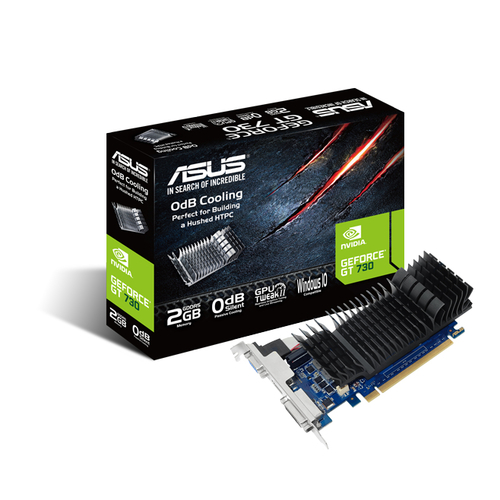
ASUS VGA GEFORCE GT 730, GT730-SL-2GD5-BRK, 2GB GDDR5, VGA/DVI/HDMI, 90YV06N2-M0NA00

ASUS NB 16" TUF i7-14650HX 16GB 1T SSD RTX 5070 8GB WIN 11 HOME
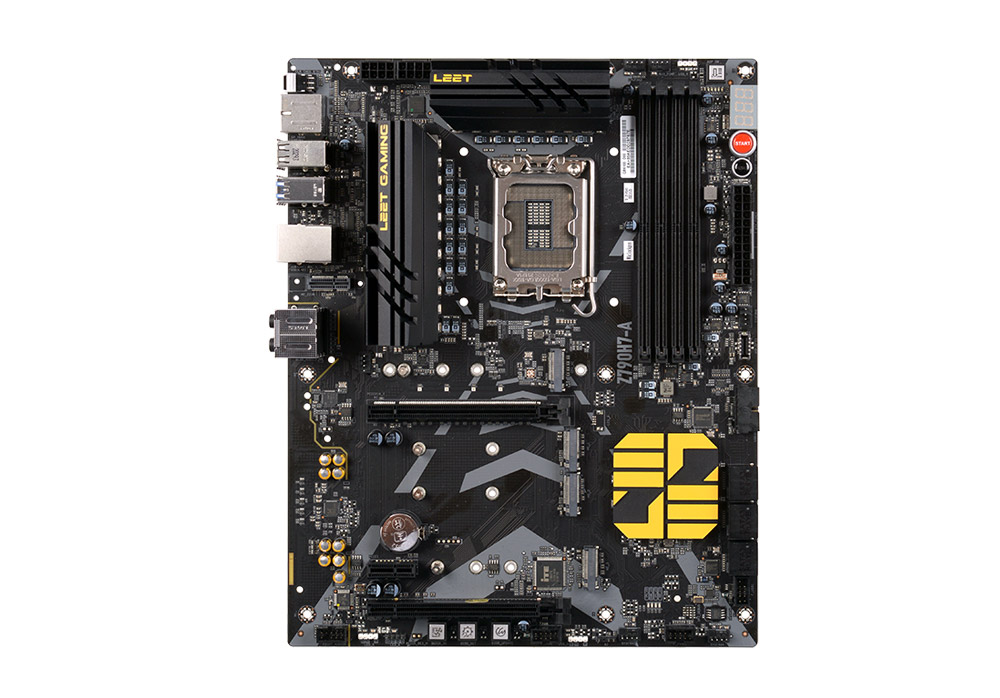
ECS MB Z790, ECS LEET GAMING Z790, LGA 1700, 4DDR5, 1PCI-Ex16G5, 3 M.2, 4SATA SSD, GLAN, HDMI/DP, OC