18 June 2026
Sustainability and IT: how technological updates reduce environmental impact
In today's technological landscape, purchasing new office devices is no longer just a matter of computing power or budget. More and more companies are integrating their environmental sustainability goals into their IT procurement choices. A significant example

Sustainability and IT: how technological updates reduce environmental impact
In today's technological landscape, purchasing new office devices is no longer just a matter of computing power or budget. More and more companies are integrating their environmental sustainability goals into their IT procurement choices. A significant example comes from Japan, where the pharmaceutical company TS Alfresa has renewed its machine park, focusing not only on performance but on CO2 emissions offsetting.
The balance between productivity and the environment
For a company managing critical medical infrastructure, reliability is fundamental. TS Alfresa chose to modernize its fleet by introducing over 1,100 Lenovo devices, including ThinkPad L14 and L15 (Gen 4 AMD) laptops and ThinkCentre M75q Tiny compact PCs.
From a technical point of view, the adoption of AMD Ryzen 5 PRO processors represents a strategic choice: these components offer excellent workload management for remote collaboration and video calls, while maintaining a competitive performance-price ratio. The addition of features such as Dolby audio and fingerprint readers responds to the concrete needs of hybrid work, improving security and user experience without compromising energy efficiency.
The concept of CO2 Offset: what really changes
The real innovation in this case does not lie in the hardware itself, but in the CO2 Offset service. It is often thought that a computer is "green" only if it consumes little during use, but the real environmental impact includes the entire life cycle: from production and transport to packaging and final recycling.
The offsetting service calculates the estimated emissions of the device's entire life cycle and invests in carbon credits to fund verified forest conservation and renewable energy projects.
In this specific case, the operation covered approximately 144 initial tons of CO2, with a projection of 577.5 tons over four years. This transforms the technological purchase from a simple operating cost into an active tool for achieving corporate sustainability targets.
Who it is for and what to check before purchasing
This approach is particularly suitable for companies that must report their environmental impact (sustainability reports) or that wish to increase employee engagement through ethical corporate policies.
Those wishing to undertake a similar path should verify some key points before proceeding with the purchase:
- Product life cycle: Evaluate the estimated lifespan of the device to maximize the investment and reduce the frequency of replacement.
- Offsetting certifications: Ensure that carbon credits are managed by certified and verifiable partners.
- Support services: Verify the warranty extension and battery replacement services, which are fundamental to prolonging the useful life of the hardware.
The vision of bisp&d
As a technological laboratory, we observe that the trend is shifting toward "conscious" computing. It is no longer just about choosing the fastest PC, but about analyzing the ecosystem in which the device is placed. Integrating offsetting services and choosing hardware designed to last is the most effective way to combine professional growth and respect for the environment.
Related products
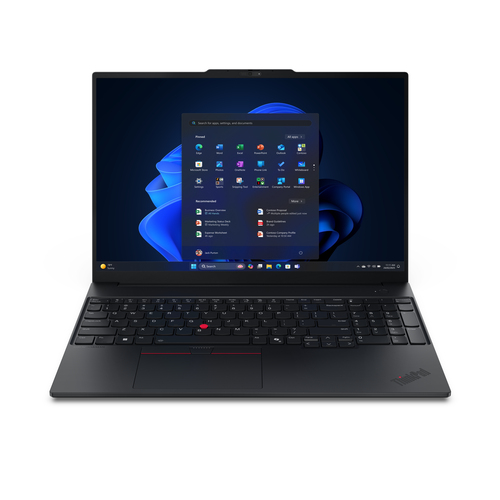
LENOVO NB THINKPAD E16 AMD G3 RYZEN RZ5 220 16GB 512GB 16 WIN 11 PRO
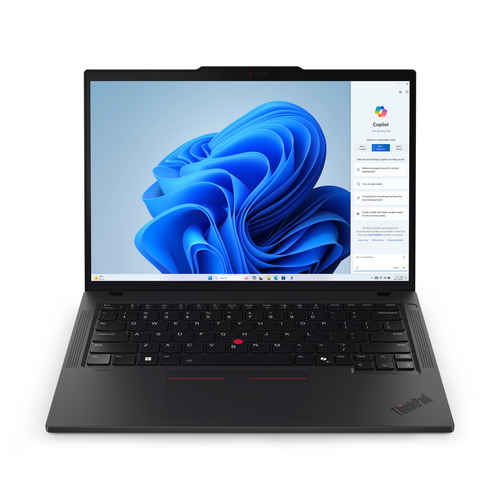
LENOVO NB THINKPAD T14 GEN5 RZ5 PRO 8540U 16GB 512GB 14 WIN 11 PRO
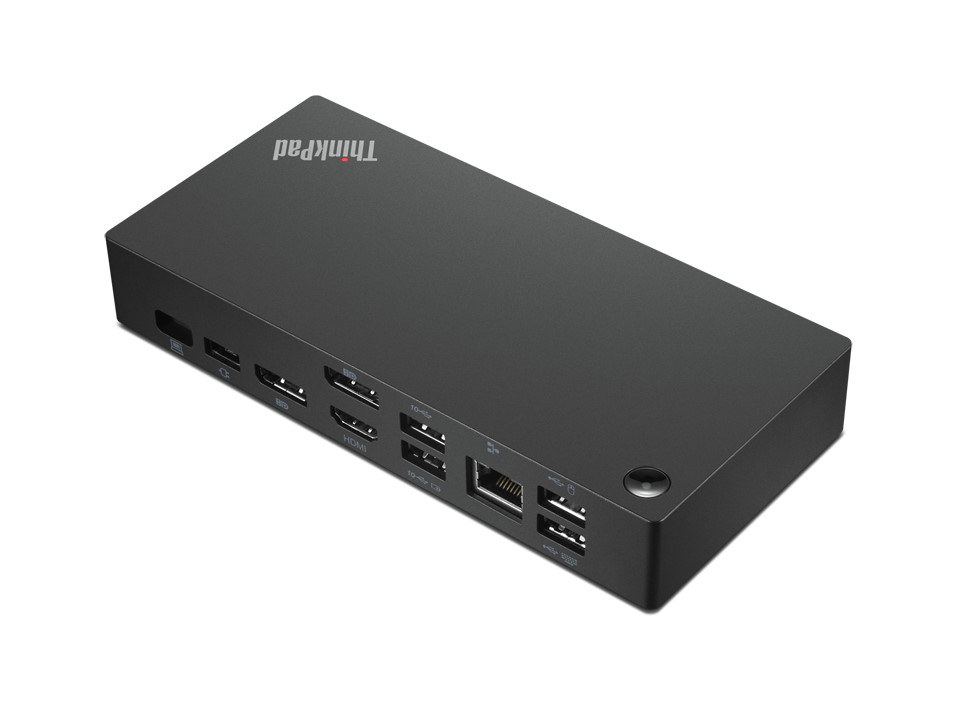
LENOVO THINKPAD DOCKING STATION UNIVERSALE USB-C 1XUSB 2.0 3XUSB 3.1 1XUSB-C 2XDP 1XHDMI 1XETHERNET