16 October 2026
Extending smartphone lifespan: Google's strategy between modularity and service centers
In the tech sector, planned obsolescence is frequently discussed, but attention toward sustainability and device reparability is shifting course. On the occasion of International Repair Day, Google outlined its new design strategies for its Pixel and Fitbit ec

Extending smartphone lifespan: Google's strategy between modularity and service centers
In the tech sector, planned obsolescence is frequently discussed, but attention toward sustainability and device reparability is shifting course. On the occasion of International Repair Day, Google outlined its new design strategies for its Pixel and Fitbit ecosystems, aiming to reduce electronic waste through greater hardware longevity.
The bisp&d perspective
From our laboratory workbench in Piombino, every day we see smartphones and wearables that could be given a second life, if only manufacturers made it economically and technically feasible. The trend of embedding everything in glue and sealing components has dominated the market for years, penalizing both the end user and the work of technicians. Experiencing technology more consciously also means demanding devices designed to be opened, maintained, and repaired without insurmountable barriers.
What really changes in design
The real innovation lies in the engineering approach applied to the most recent wearable devices, such as the Pixel Watch line and the new Fitbit Edge fitness tracker. Google has abandoned the standard of glued components to focus on a modular architecture. This design facilitates technicians' intervention and the eventual replacement of parts subject to wear, such as batteries, a crucial element in determining the premature death of a smart device.
On the software and support front, the ecosystem is evolving to simplify the management of the product lifecycle:
- Integration of diagnostics and initiation of support procedures directly within the My Pixel app.
- Dedicated support hubs with transparency on repair cost estimates.
- Trade-in programs and official channels for certified refurbished devices, re-entered into the usage cycle with original parts and a dedicated warranty.
Who is this transition for
This evolution directly concerns three categories of users:
- Those looking for smart savings: access to official refurbished programs reduces spending on recent technology purchases without compromising performance.
- Users attentive to environmental impact: those who wish to reduce their ecological footprint by avoiding frequent hardware replacement.
- Repair professionals: greater availability of original spare parts and official guides facilitates the work of local service centers.
What to check before buying a new device
If you are considering purchasing a new smartphone or wearable ecosystem, we advise you to analyze some practical aspects before proceeding:
- Repairability index: check the scores assigned by independent platforms to understand how easy it is to intervene in case of out-of-warranty failures.
- Spare parts availability: make sure the parent company guarantees the supply of original components for several years.
- Update policy: check for how many years the manufacturer ensures security patches and major Android updates.
- Local support: check for the presence of authorized support networks or physical centers in your area.
A useful conclusion for the consumer
Taking care of the technology we already own, utilizing diagnostic tools and considering repair rather than immediate replacement, is the most concrete way to save money and reduce electronic waste. When purchasing a new device becomes inevitable, turning toward certified refurbished programs or brands with a clear vision on modularity represents a winning choice for the wallet and the environment.
Related products
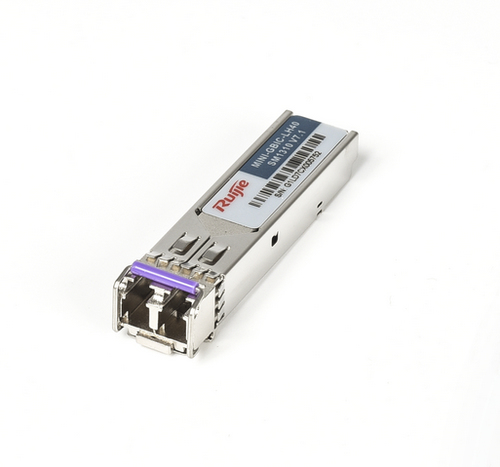
REYEE TRANSCEIVER SFP 1000BASE-LX SM (1310NM, 10KM, CONNETTORE LC)
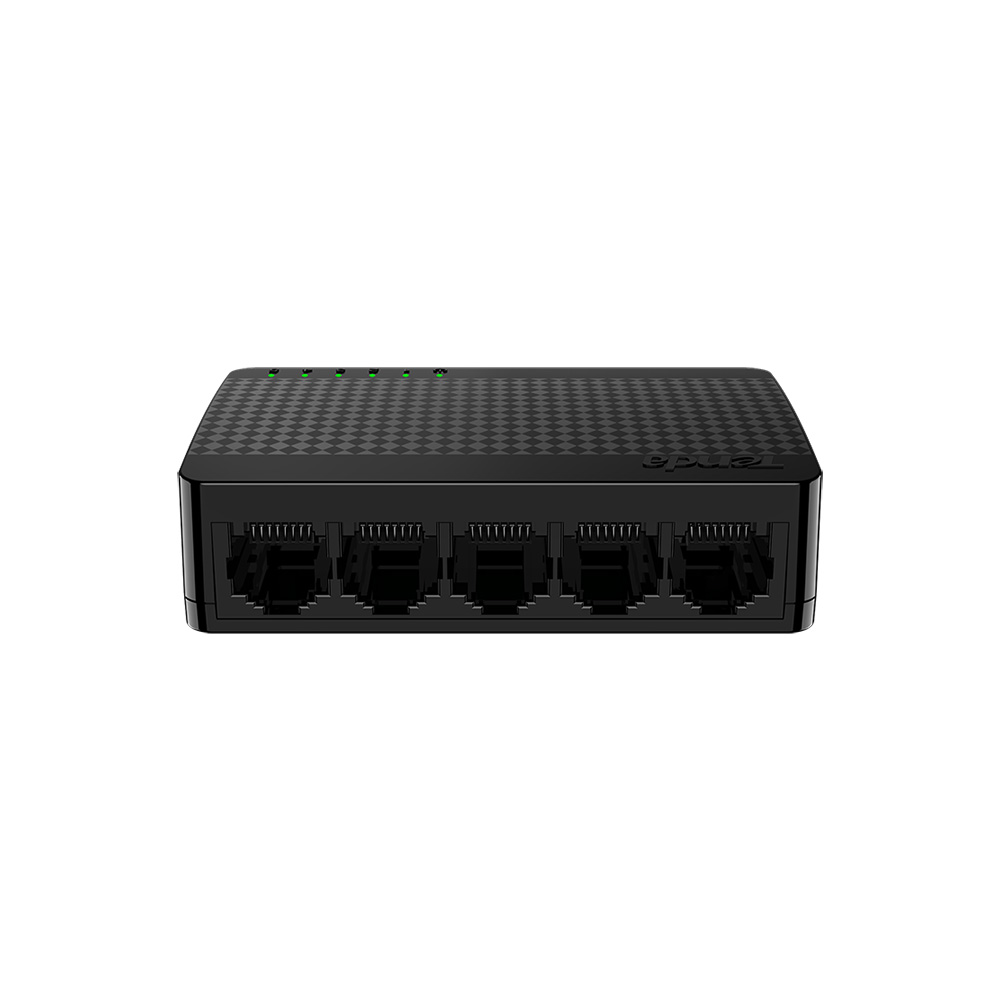
TENDA SWITCH SG105M5-PORT GIGABIT ETHERNET SWITCH
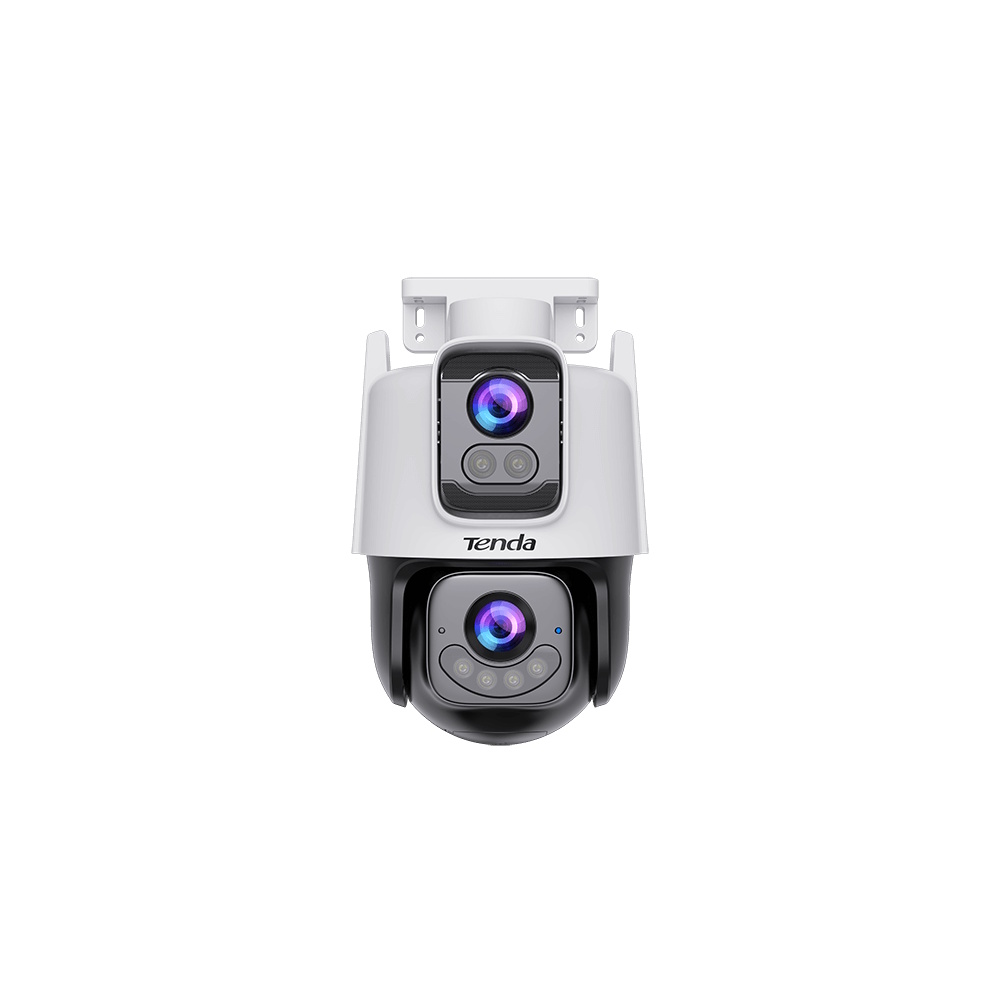
TENDA WI-FI CAMERA 6MP,DUAL-LENS LINKAGE, WI-FI6, OUTDOOR, FULL COLOR, PAN-TILT, WALL MOUNT