01 June 2026
Local AI becomes concrete: NVIDIA RTX Spark and the era of Personal Agents
For a long time, artificial intelligence has been perceived as a "remote" service: we send a prompt to a distant server and wait for a response. However, we are entering a new phase. NVIDIA, with the introduction of RTX Spark and new security frameworks, is sh
Local AI becomes concrete: NVIDIA RTX Spark and the era of Personal Agents
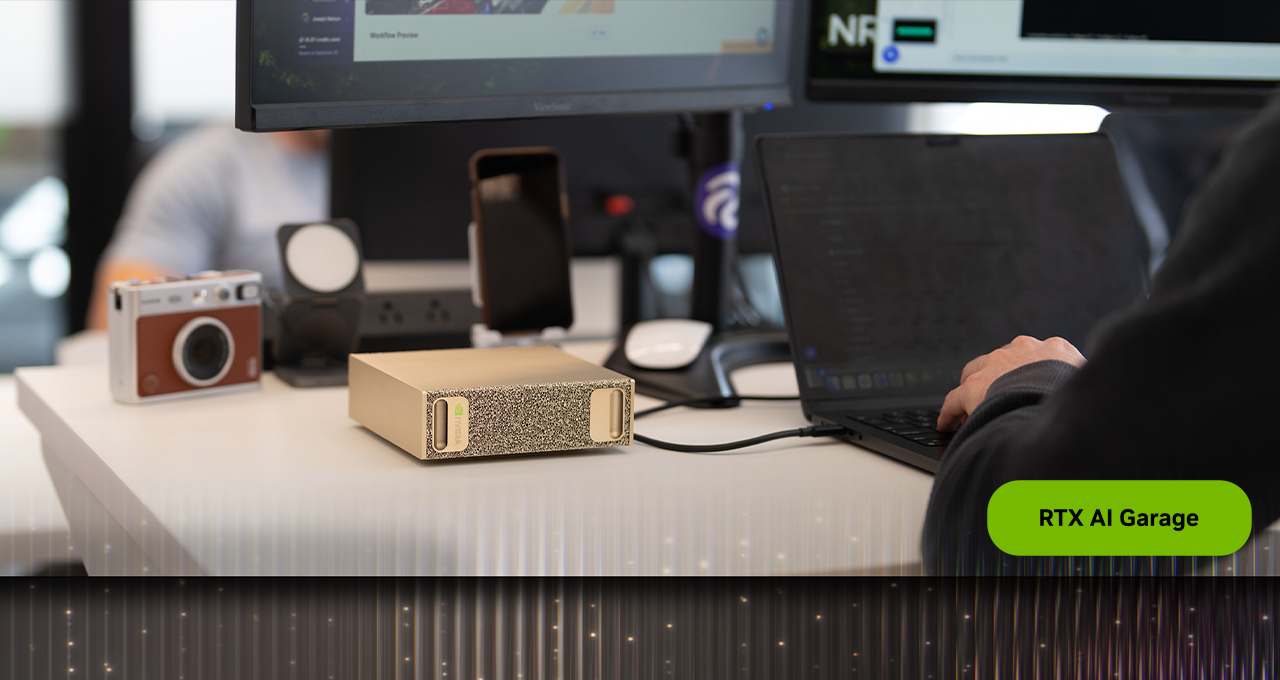
For a long time, artificial intelligence has been perceived as a "remote" service: we send a prompt to a distant server and wait for a response. However, we are entering a new phase. NVIDIA, with the introduction of RTX Spark and new security frameworks, is shifting the center of gravity of AI directly onto the user's hardware. We are no longer talking only about chatbots, but about local AI agents.
What really changes: from assistant to agent
The fundamental difference between a traditional AI and an "agent" lies in autonomy and integration. While an assistant answers questions, an agent can interact with applications, automate repetitive processes, and manage multi-step workflows within the operating system. In practical terms, AI stops being a simple consultation tool to become a true collaborator capable of navigating through local files and installed apps.
The technological heart: power and privacy
To run these agents without depending on the cloud, massive computing power and, above all, a lot of memory are needed. The new class of RTX Spark PCs meets this need by offering up to 1 petaflop of AI computing and 128GB of unified memory. This hardware leap is essential for managing complex models locally.
From a software perspective, the introduction of NVIDIA OpenShell and the new Windows security primitives is the real turning point. These tools allow for the exact definition of what the agent can or cannot do, ensuring that sensitive data never leaves the device, solving one of the main obstacles to AI adoption in professional environments: privacy.
Impact on creativity and productivity
The RTX ecosystem does not evolve only in hardware, but is directly reflected in the software we use every day. Some concrete examples include:
- Adobe: Photoshop and Premiere are being redesigned to optimize performance and memory management.
- Blender: The integration of NVIDIA DLSS 4.5 Ray Reconstruction improves real-time visual quality.
- ComfyUI: The arrival of RTX Video Frame Generation enhances video content generation.
Who it is for and what to check before purchasing
This evolution is primarily aimed at developers, digital creatives, and power users who need automation without compromising data confidentiality. If you are considering a hardware upgrade to support local AI, check the following points:
- VRAM and Memory: Local agents are extremely memory-hungry; unified memory architecture is the new benchmark standard.
- GPU Compatibility: The most advanced optimizations (such as multi-token prediction in llama.cpp) show the best results on the most recent RTX series, such as the 5090.
- Operating System: Ensure you have the latest Windows builds to take advantage of the new security features for agents.
NVIDIA's goal is to transform the PC from a simple work tool into an intelligent, private, and lightning-fast "teammate".
Conclusions
The integration between RTX hardware and agent management software marks the transition toward more autonomous computing. It is no longer about "using AI," but about integrating an entity capable of operating within our workflow. For those working in the technological field, investing in hardware designed for local AI is no longer a luxury, but
Related products
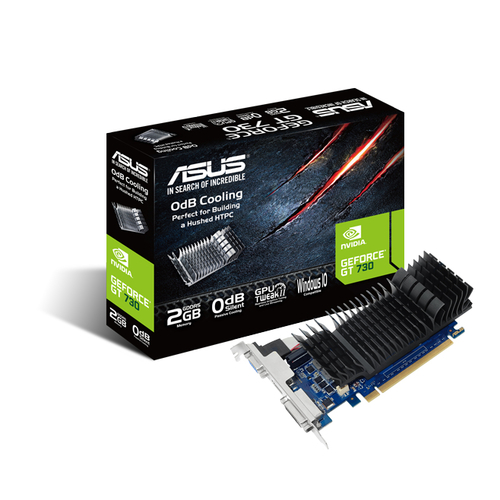
ASUS VGA GEFORCE GT 730, GT730-SL-2GD5-BRK, 2GB GDDR5, VGA/DVI/HDMI, 90YV06N2-M0NA00

ASUS NB 16" TUF i7-14650HX 16GB 1T SSD RTX 5070 8GB WIN 11 HOME
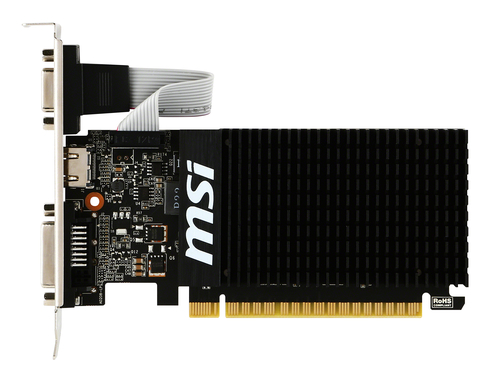
MSI VGA GEFORCE GT 710, GT 710 2GD3H LP, 2GB GDDR3, DVI/HDMI/VGA, LP