08 October 2026
NVIDIA and Microsoft redefine the personal computer: PCs for the AI agents era arrive
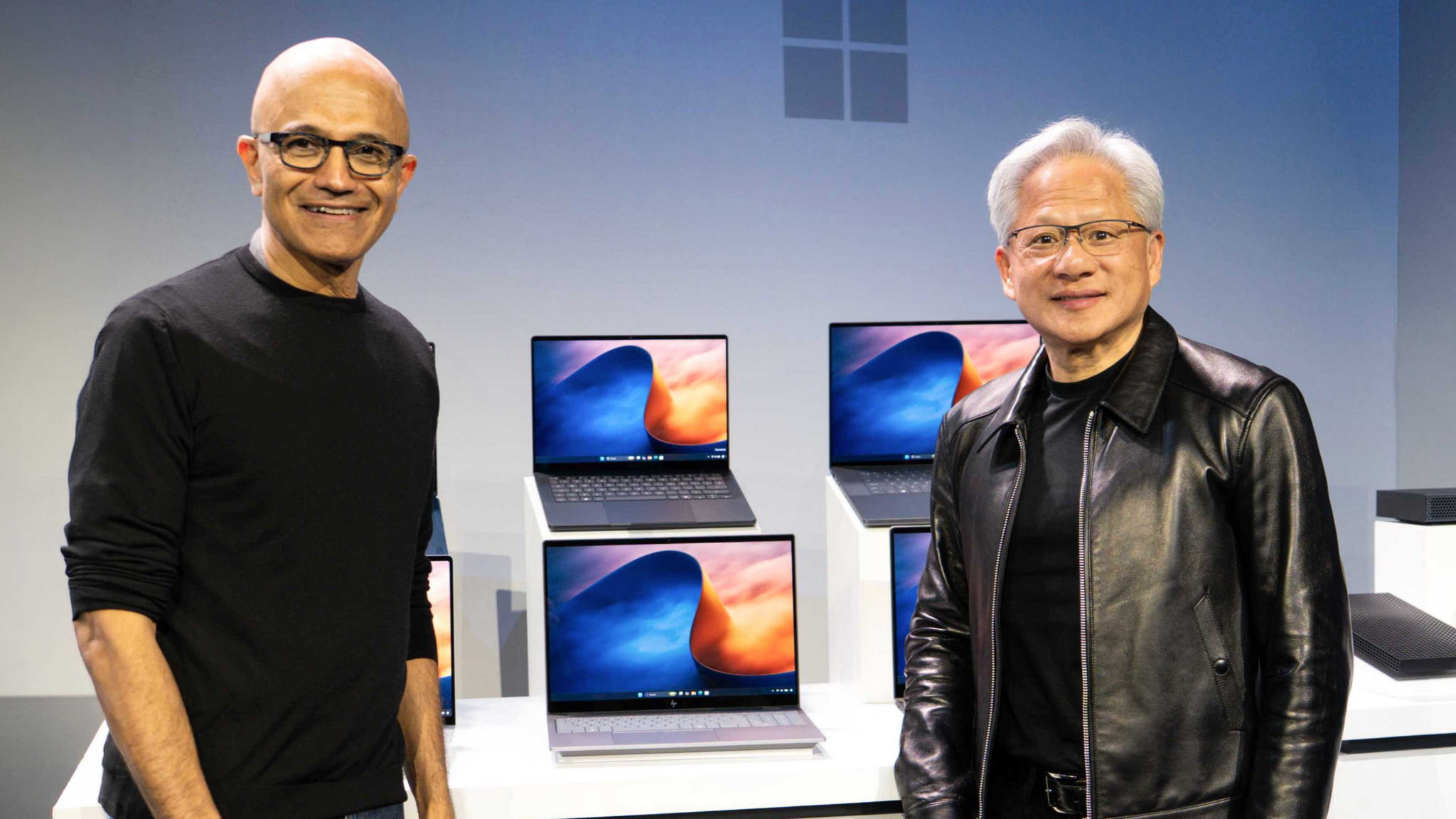
During a special event in San Francisco, the executives of NVIDIA and Microsoft charted the course for a new generation of computers powered by generative and autonomous artificial intelligence. This evolution goes beyond merely integrating simple voice assist
NVIDIA and Microsoft redefine the personal computer: PCs for the AI agents era arrive
During a special event in San Francisco, the executives of NVIDIA and Microsoft charted the course for a new generation of computers powered by generative and autonomous artificial intelligence. This evolution goes beyond merely integrating simple voice assistants, transforming the operating system into a native platform for AI agents capable of operating in the background securely, continuously, and seamlessly integrated into the daily workflow.
From the perspective of our editorial staff and technological laboratory, this announcement marks the definitive overcoming of the first-generation NPU transition phase. We are no longer talking about simple accelerations for circumscribed functions, but rather a hardware and software co-design between Microsoft and NVIDIA aimed at bringing enterprise-grade computing power directly to client devices.
The bisp&d viewpoint: what really changes in the hardware
The main novelty revolves around the RTX Spark architecture, a solution that combines an NVIDIA Blackwell RTX GPU with an NVIDIA Grace processor, connected via an ultra-high-speed bus. This configuration aims to deliver:
- Up to one petaflop of AI computing power in a compact form factor.
- Unified memory of up to 128 GB, essential for running complex language models locally that previously required cloud access.
- Full compatibility with the entire CUDA software ecosystem, allowing developers and professionals to migrate workflows without rewriting code.
At the same time, on the operating system side, the introduction of Microsoft Execution Containers (MXC) creates an isolated and kernel-secure environment specifically designed to govern and monitor the activity of autonomous agents without compromising the stability or security of personal data.
Who is this transition for?
This wave of devices is not aimed solely at advanced technology enthusiasts or demanding gamers. The main beneficiaries of these technological innovations are divided into three categories:
- Developers and data scientists: who will be able to test and run advanced models directly on their computers without depending on costly remote infrastructures or dedicated Linux setups.
- Content creators and professionals: who will achieve a significant boost in multimedia workflows thanks to fifth-generation Tensor Cores, advanced hardware encoding, and real-time rendering capabilities.
- Companies and enterprises: thanks to the arrival of dedicated deskside computing stations and centralized security management for AI agents in the Windows environment.
Additionally, for gamers, the platform guarantees top-tier performance with AAA titles at high resolutions, supported by the latest graphics technologies.
What to check before evaluating a purchase
Before turning towards this new generation of laptops and compact desktops equipped with RTX Spark or based on similar architectures, it is important to proceed with a careful analysis of one's actual operational needs:
- Workload type: Evaluate whether local computing capabilities will actually be utilized for developing or running AI models, or whether normal daily activities already benefit sufficiently from current solutions.
- Memory requirements: Carefully consider the amount of unified memory needed for the models you intend to run locally (more complex models require configurations pushed toward higher tiers).
- Software ecosystem: Verify the compatibility of your professional tools with the new security primitives and Windows execution containers.
Useful conclusions
The alliance between NVIDIA and Microsoft transforms the PC from a simple productivity tool into an autonomous entity equipped with persistent intelligent assistants. Although the power deployed by RTX Spark and the new workstations represents a remarkable generational leap, the actual return on investment will have to be evaluated based on the real adoption of AI agents in daily workflows. In our laboratory, we will continue to monitor the evolution of these technologies to offer you targeted technical support and consulting tailored to your professional needs.
Related products
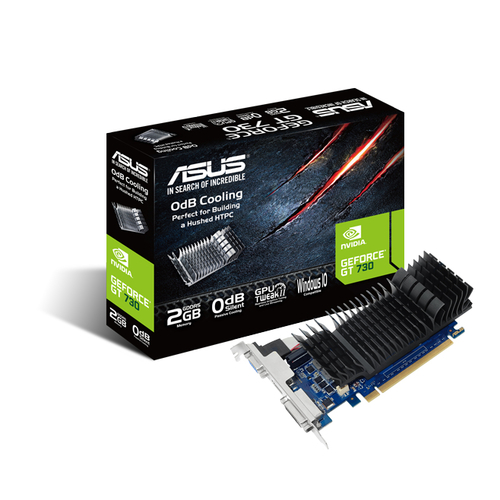
ASUS VGA GEFORCE GT 730, GT730-SL-2GD5-BRK, 2GB GDDR5, VGA/DVI/HDMI, 90YV06N2-M0NA00

ASUS NB 16" TUF i7-14650HX 16GB 1T SSD RTX 5070 8GB WIN 11 HOME
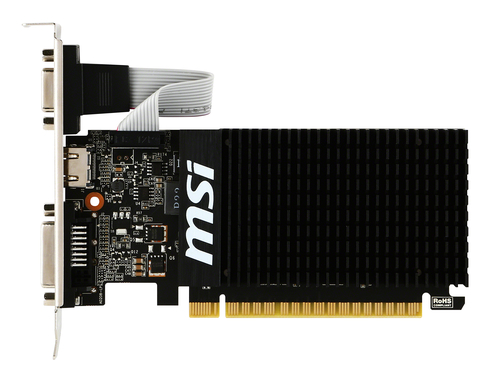
MSI VGA GEFORCE GT 710, GT 710 2GD3H LP, 2GB GDDR3, DVI/HDMI/VGA, LP