06 October 2026
The weight of the smartphone in daily use: why 50 grams make a difference
When evaluating the purchase of a new phone, attention almost always focuses on the display, camera department, and battery autonomy. In our technological laboratory in Piombino, however, we often receive customers who complain of hand or wrist fatigue after l
The weight of the smartphone in daily use: why 50 grams make a difference
When evaluating the purchase of a new phone, attention almost always focuses on the display, camera department, and battery autonomy. In our technological laboratory in Piombino, however, we often receive customers who complain of hand or wrist fatigue after long sessions of use. We too often forget that the smartphone is the technological object we interact with the most during the day.
According to industry analyses, an average user checks their device about once every five minutes, ending up performing this gesture dozens or hundreds of times a day. In this dynamic scenario, an apparently negligible weight variation – estimated at around fifty grams – stops being a purely technical detail and turns into a concrete factor of ergonomic comfort.
The point of view of bisp&d: ergonomics and usability
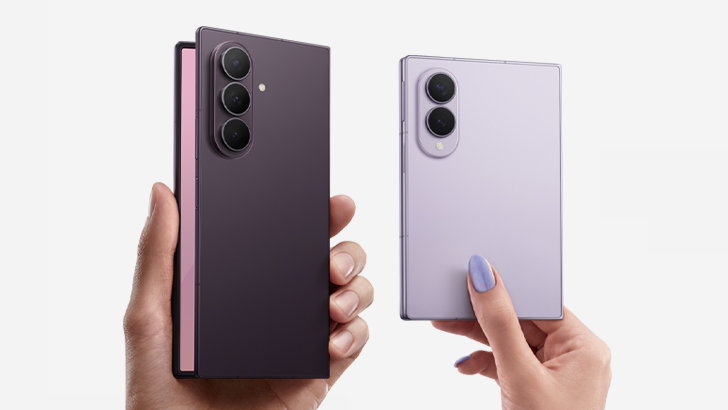
From the workbench of a technology shop, the issue affects us closely. Today's mobile devices are true pocket-sized computers, but physics cannot be bypassed: lifting or keeping a terminal in balance for hours stresses the tendons and muscles of the hand. This is even more true for the category of foldable devices, the so-called book-style foldables, which combine the convenience of an expanded screen with the construction challenges of a more complex and structured body.
What really changes in the user experience
The perception of lightness does not depend only on the grams on the scale, but on how the weight is distributed along the chassis. In everyday operations, a lightened design impacts multiple aspects:
- Typing and writing: writing long messages with one hand becomes less tiring.
- Prolonged calls: holding the device to the ear for meetings or business conversations weighs less on the arm.
- Mobility: taking the smartphone out of and putting it back into a pocket or bag hundreds of times is easier.
Who is this aspect particularly interesting for
This attention to structural lightness is not a whim for demanding users, but a concrete necessity for:
- Those who use the smartphone for work, managing emails, corporate chats, and documents on the go.
- Multimedia content and multitasking enthusiasts who take advantage of large screens.
- Those looking for a foldable device without having to give up the manageability of a traditional pocket format.
What to check before buying a new smartphone
Before proceeding with the purchase of a high-end terminal, especially if oriented towards foldable formats, we advise you to carry out some practical checks:
- Evaluate the balance: try holding the phone both open and closed to understand if the center of gravity is stable.
- Analyze the weight-to-surface ratio: a larger display requires advanced material management to keep the overall mass within comfortable thresholds.
- Consider the case: remember that protective covers and additional accessories inevitably add further weight and thickness to the bare device.
Comfort in consumer electronics is the result of an invisible balance between performance, materials, and component engineering.
Useful conclusions
Ultimately, the search for greater lightness does not represent a simple marketing trend, but a step forward in design oriented towards user well-being. When planning your next terminal change, we invite you to consider the overall weight as a fundamental technical specification, relating it to your real daily usage habits.
Related products