14 July 2026
Foldable smartphones: the evolution of a new technological standard
The smartphone market has reached a stage of technological maturity where radical innovations are increasingly rare. In this landscape, the category of foldable devices represents one of the few exceptions capable of capturing the interest of both technology e
Foldable smartphones: the evolution of a new technological standard
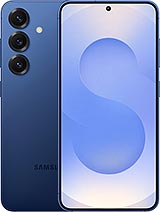
The smartphone market has reached a stage of technological maturity where radical innovations are increasingly rare. In this landscape, the category of foldable devices represents one of the few exceptions capable of capturing the interest of both technology enthusiasts and ordinary users. As a technology laboratory, we have been observing this segment for some time: these are no longer mere prototypes, but tools that are redefining the daily habits of those seeking a balance between portability and screen size.
The role of Samsung in the foldable landscape
Since the launch of the first Galaxy Fold in 2019, Samsung has taken on the role of a pioneer, transforming a bold concept into a consolidated product line. The Korean giant's strategy has focused on a development consistency that has lasted for seven years, working not only on hardware but on the software integration necessary to make the foldable format a fluid and natural user experience. The stated goal for the future is clear: to aim for the democratization of this technology through thinner devices, more responsive displays, and the integration of artificial intelligence-based features.
What really changes for the end user
For those who use their smartphone for work or entertainment, the switch to a foldable device is not just an aesthetic matter. The main advantages lie in versatility:
- Advanced multitasking: The ability to manage multiple applications simultaneously on an extended display.
- Optimized form factors: Aspect ratios designed to improve readability and the consumption of multimedia content.
- Software integration: An ecosystem that dynamically adapts to the device's fold, making the transition between closed and open modes immediate.
The point of view of bisp&d: what to evaluate before purchasing
When a client asks us if it is the right time to switch to a foldable, our technical analysis focuses on a few fundamental aspects. Despite constant evolution, these devices require a different awareness compared to a traditional smartphone:
- Display management: Flexible panel technology has improved drastically, but it remains a more delicate component compared to standard rigid glass. It is essential to handle the device with the care suggested by the manufacturer.
- Usage habits: Ask yourself if your workflow truly benefits from a larger screen. If the answer is yes, the added value in terms of productivity is indisputable.
- Updates: The longevity of these devices is closely tied to software support. Always verify the availability of constant updates, which for Samsung have become a staple of the Galaxy Z series.
Conclusion
Samsung's vision has undoubtedly carved a deep furrow in the mobile sector. If in the past foldables were considered a niche for "early adopters," today they represent a mature choice for those who wish to overcome the physical limits of classic smartphones. As the editorial staff of bisp&d, we believe that the future of mobility passes through this flexibility: the important thing is to approach this technology with the awareness that, beyond the design, what counts is the reliability of the ecosystem that supports the device over time.
Related products
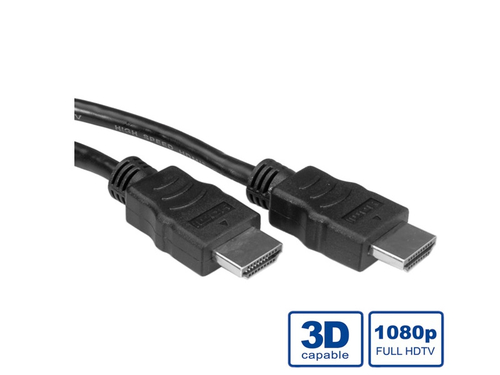
STANDARD CAVO HDMI HS CABLE W. ETH.,A-A, M-M, 2M
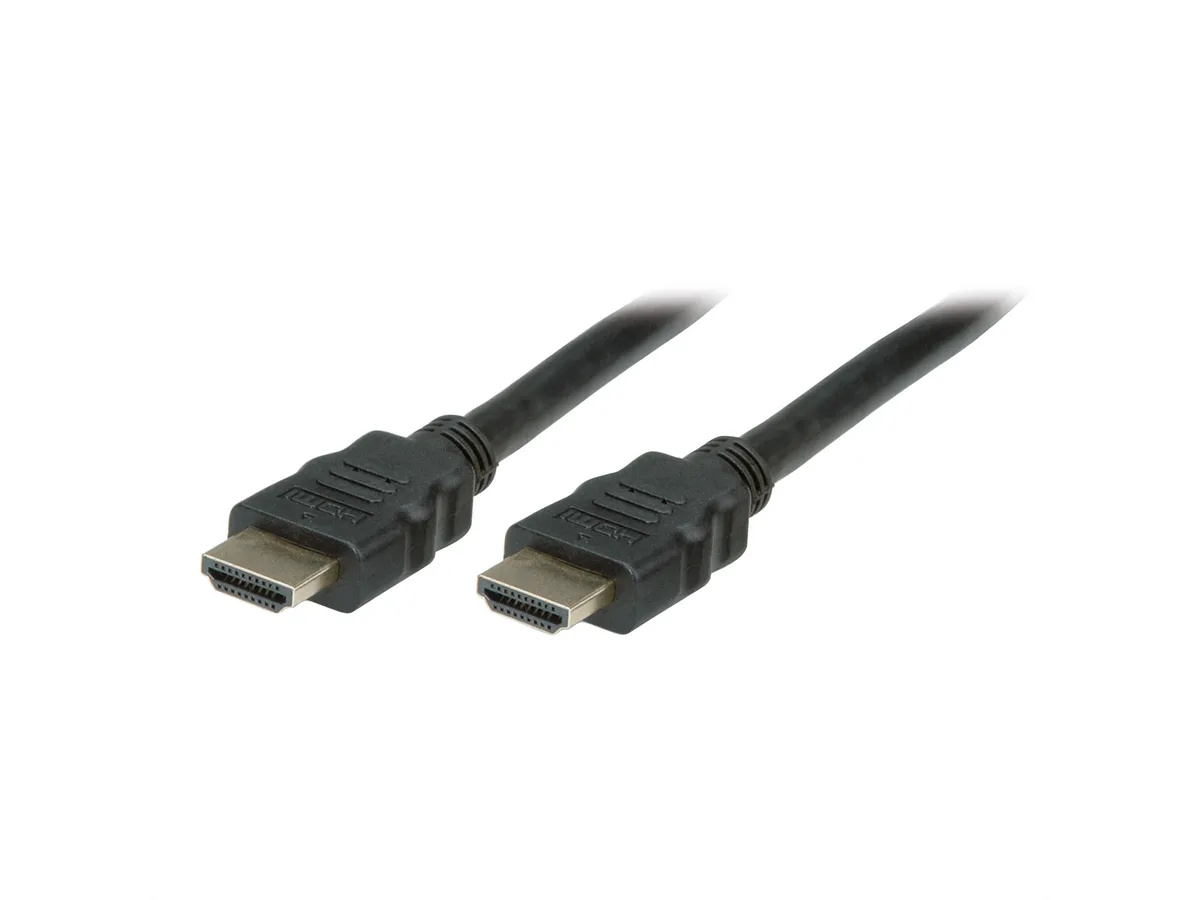
STANDARD CAVO ULTRA HDMI ETHERNET, ST/ST, 1M
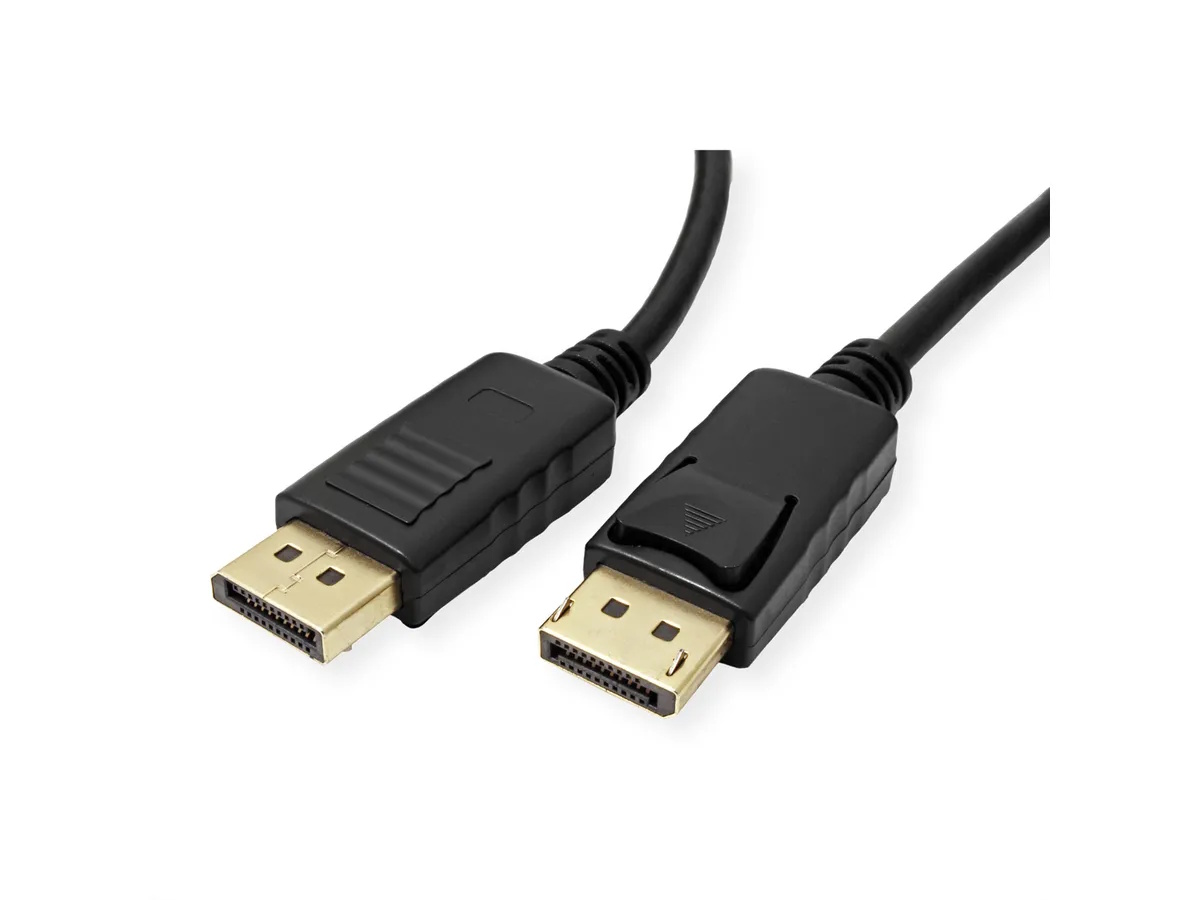
STANDARD CAVO DISPLAYPORT, V1.2,4K60HZ, ST/ST, 1M