20 August 2026
Goodbye to disposable computing: the new era of repairability
In the current technological landscape, the "disposable device" model is rapidly losing ground. For years, when faced with a faulty battery, keyboard, or screen, the established practice in companies and professional firms was the complete replacement of the m

Goodbye to disposable computing: the new era of repairability
In the current technological landscape, the "disposable device" model is rapidly losing ground. For years, when faced with a faulty battery, keyboard, or screen, the established practice in companies and professional firms was the complete replacement of the machine. Today, however, the push towards sustainability, the need to reduce Scope 3 emissions, and pressure on IT budgets are forcing a radical change in direction: the shift from a linear lifecycle to a model of regenerative IT.
What really changes with modular design
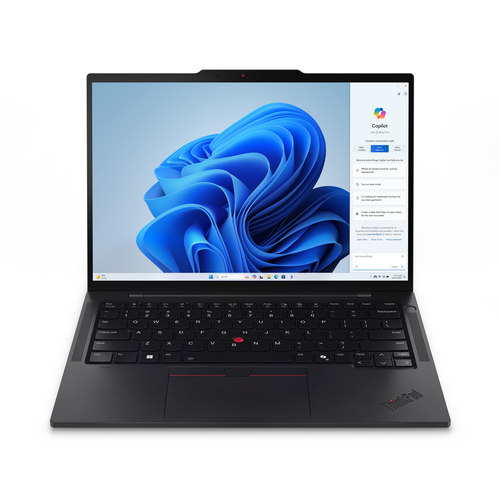
The true innovation introduced by Lenovo with the new generations of ThinkPad does not lie solely in the power of Intel Core Ultra processors, but in a design approach that puts maintainability at the center. It is no longer about sealing components to save space, but about rethinking the internal architecture to make parts subject to wear and tear accessible.
What does this mean in practice? It means that a faulty component no longer dictates the end of a computer's operational life. Thanks to a design that facilitates the replacement of keyboards, batteries, and memory modules (such as the new LPCAMM2), companies can now opt for repair, regeneration, or internal redistribution of resources, transforming what was previously a fixed replacement cost into a long-term investment.
The point of view of bisp&d: why repairability is a value
As a technology laboratory, we welcome this trend reversal. We often find ourselves having to manage devices created to be "inviolable," where a small mechanical failure makes it necessary to replace the entire chassis. Seeing manufacturers like Lenovo achieve high repairability scores on iFixit platforms (up to 10/10 for models like the T14 Gen 7) is an important signal: premium technology does not necessarily have to be fragile or impossible to repair.
For a professional or a company, this approach guarantees:
- Operational control: Less dependence on forced renewal cycles imposed by the manufacturer.
- Resilience: The ability to intervene promptly on a failure without stopping productivity for days.
- Residual value: A repairable device maintains a higher market value over time, facilitating potential refurbishment programs.
What to check before buying
If you are evaluating the upgrade of your machine fleet, do not look only at the pure technical specifications. Before proceeding with the purchase, ask yourself these questions:
- Accessibility: Does the manufacturer provide clear and documented technical guides for replacing basic components?
- Spare parts availability: Is it possible to easily find original spare parts even years after purchase?
- Modularity: Does the design allow for quick interventions without requiring overly complex proprietary equipment?
Conclusion
The transition to a regenerative IT model is not just an ethical choice for the environment, but an intelligent economic strategy. Managing devices for their "lifecycle value" rather than the simple expiration date of the technology refresh allows for the optimization of resources and a drastic reduction in waste. Technology, today, must be built to last and to be cared for: a necessary change in mentality for anyone who wants a solid, efficient IT infrastructure ready for the challenges of the future.
Related products
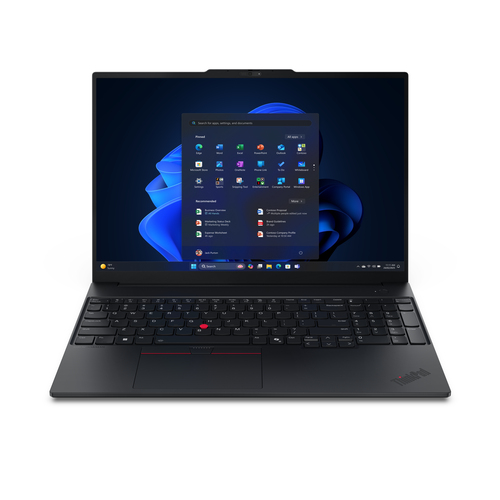
LENOVO NB THINKPAD E16 AMD G3 RYZEN RZ5 220 16GB 512GB 16 WIN 11 PRO
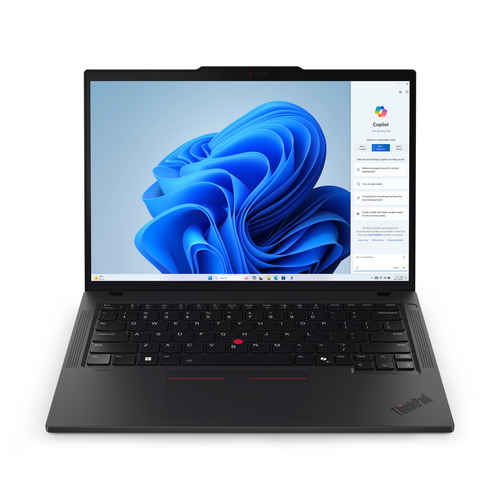
LENOVO NB THINKPAD T14 GEN5 RZ5 PRO 8540U 16GB 512GB 14 WIN 11 PRO
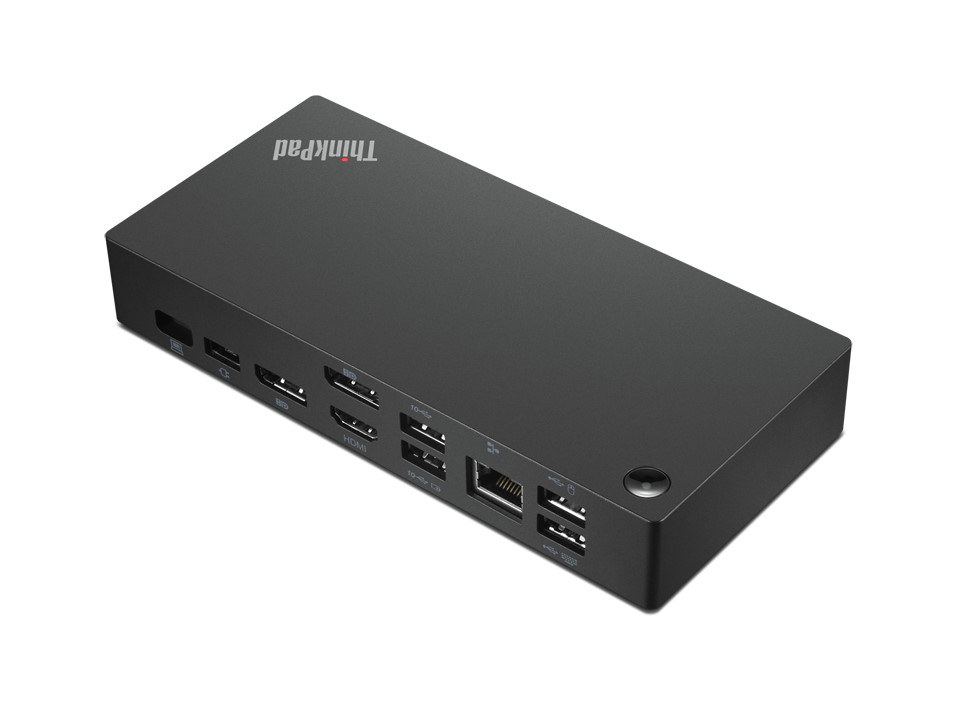
LENOVO THINKPAD DOCKING STATION UNIVERSALE USB-C 1XUSB 2.0 3XUSB 3.1 1XUSB-C 2XDP 1XHDMI 1XETHERNET