16 July 2026
Flex Titanium: the future of foldable displays according to Samsung
In the bisp&d laboratory, we have always followed the evolution of foldable devices with great attention. The recent presentation of Flex Titanium technology by Samsung marks a significant turning point for those of us who analyze the relationship between engi

Flex Titanium: the future of foldable displays according to Samsung
In the bisp&d laboratory, we have always followed the evolution of foldable devices with great attention. The recent presentation of Flex Titanium technology by Samsung marks a significant turning point for those of us who analyze the relationship between engineering innovation and real-world usability on a daily basis. After seven generations of foldable devices, the Korean giant seems to have finally found the key to solving one of the historical limitations of this category: the delicate balance between structural resistance and visual perfection.
What really changes with Flex Titanium?
The heart of this innovation lies in the integration of titanium within the display structure. This is not a mere stylistic exercise, but a technical solution aimed at two critical components:
- Titanium alloy film: positioned under the OLED panel, it offers mechanical rigidity twenty times greater than traditional polymer films, while maintaining an infinitesimal thickness.
- Titanium support plate: thanks to precision machining, this component eliminates air gaps between the display module and the adhesive, ensuring a more stable and uniform support surface.
The practical result is a display that promises a less visible crease and greater resistance to external impacts, without sacrificing the flexibility required for daily opening and closing.
The bisp&d point of view: why it matters
As technology experts, we know well that the main challenge of foldables is not just making them close, but making them last. The rigidity of titanium, usually an obstacle for flexible components, has been tamed through advanced lamination and drilling processes. For the end user, this means being able to count on a device that not only looks more refined, but is designed to maintain its mechanical properties over time, reducing the risk of structural failures typical of the first models in this category.
Who is this evolution for?
This technology is designed for those who use their smartphone as their primary work tool or for those seeking an immersive multimedia experience without sacrificing portability. If you are a professional who needs a large viewing space on the go, or simply an enthusiast who wants a cutting-edge device that does not compromise on visual quality, the upcoming models equipped with Flex Titanium represent a generational leap to monitor closely.
What to check before a potential purchase
Even with the introduction of noble materials like titanium, our advice remains to always evaluate:
- Real usage: reflect on whether the foldable format actually fits your daily workflow.
- Protection: despite the increased resistance, foldable displays remain sensitive components; ensure you use compatible covers that do not interfere with the closing mechanism.
- Maintenance: always inform yourself about specific support policies for foldable displays, which require dedicated technical skills compared to traditional smartphones.
In conclusion, Flex Titanium technology represents a necessary maturation for the foldable market. Samsung is shifting the focus from the "wow" factor of novelty to the concreteness of durability. We at bisp&d will continue to test and analyze how these innovations translate into reliability in the field, certain that the future of mobility passes precisely through this search for increasingly high-performance materials.
Related products
VALUE CAVO DISPLAYPORT, DP - DP, M/M, 2M
VALUE CAVO DISPLAYPORT, DP - DP, M/M, 3M
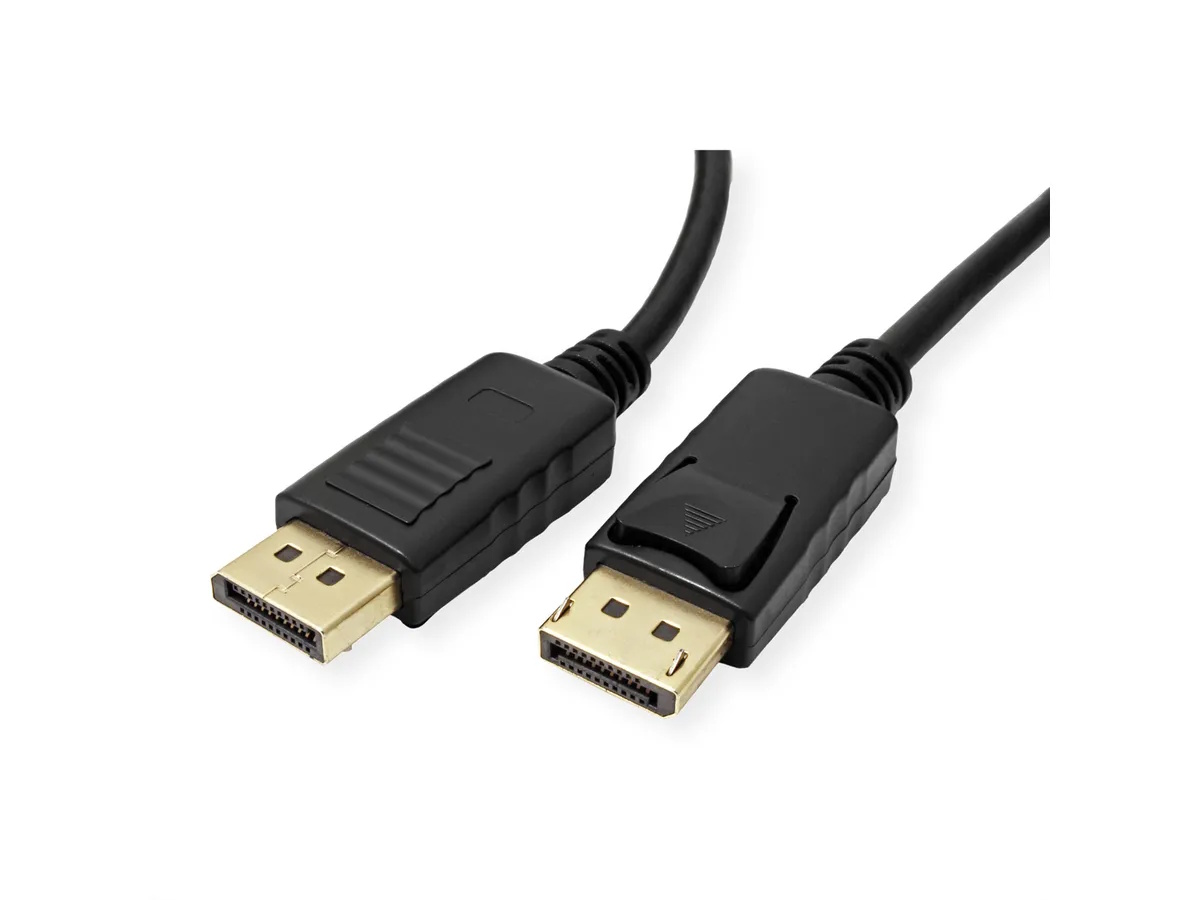
STANDARD CAVO DISPLAYPORT, V1.2,4K60HZ, ST/ST, 1M