16 October 2026
Smartphoness and personal aspirations: what really drives user choice?
When choosing a new phone, the line between immediate needs and future projects becomes very thin. A recent market analysis conducted in the mobile sector has highlighted how the vast majority of users do not limit themselves to evaluating pure technical speci
Smartphoness and personal aspirations: what really drives user choice?
When choosing a new phone, the line between immediate needs and future projects becomes very thin. A recent market analysis conducted in the mobile sector has highlighted how the vast majority of users do not limit themselves to evaluating pure technical specifications, but let purchases be guided by passions, lifestyle, and personal goals, from gaming to digital content creation.
From the perspective of our laboratory in Piombino, this trend is reflected daily at the counter: those who enter the store are not just looking for a tool to make calls or chat, but a true companion for productivity and entertainment capable of supporting intense rhythms.
The perspective of bisp&d: between expectations and everyday use reality
We often witness an interesting dichotomy: on one hand, there is the desire to own a device that reflects one's personality or allows the cultivation of advanced hobbies; on the other hand, very concrete critical issues emerge in everyday use. Expectations regularly clash with physical and operational limits that heavily influence the overall user experience.
It is not enough for a smartphone to be aesthetically suited to one's style or to promise great performance on paper: if the user then encounters obstacles in daily management, user satisfaction drops rapidly.
What really changes in the daily experience
Market findings highlight some recurring critical issues that we also often encounter in the feedback from our clientele. The most common problems concern:
- Battery life: the need to recharge the phone too often represents a primary source of frustration, forcing users to adjust or limit the use of the terminal.
- Multitasking and fluidity: constantly switching from one application to another without smooth parallel management slows down operations.
- Display and form factor: the limitation of screen space makes managing documents, multimedia content, or gaming sessions on the go complex.
- Visual privacy: the fear that strangers might peek at sensitive data, such as mobile banking or personal communications in crowded places, hinders the use of certain functions away from home.
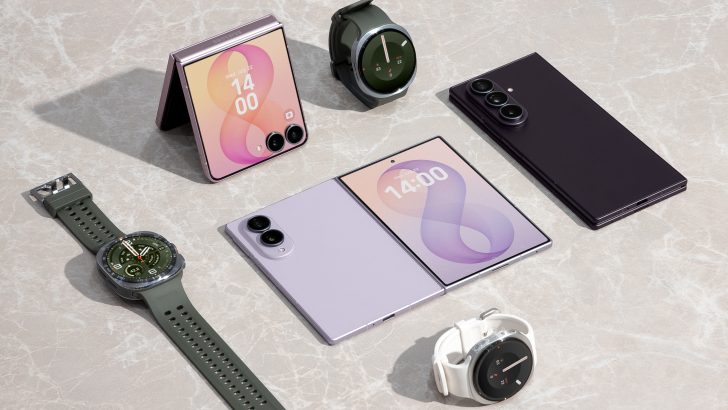
- Innovative formats: interest is growing towards different designs, such as pocket-sized devices or flexible form factors, capable of combining portability and extended displays.
Who is it for and what to check before buying
This evolution in consumer habits particularly interests mobile professionals, digital creators, and younger user segments, who are particularly open to evaluating alternative formats compared to the classic rectangle with a rigid body.
Before proceeding with the purchase of a new terminal, it is advisable to carry out some targeted checks to avoid disappointments:
- Analyze your real usage profile: quantify the time spent away from home and the actual need for intermediate recharges.
- Test ergonomics: evaluate whether screen size and weight meet the real needs of productivity on the move.
- Consider privacy protection systems: verify the presence of software functions or hardware solutions dedicated to visual privacy in public.
- Weigh longevity: ensure that the processor and memory equipment guarantee stable performance in the medium-long term.
A useful conclusion for the consumer
Investing in a new smartphone means finding the right compromise between the phone we want to express our passions and the one we actually need to overcome the small annoyances of every day. Carefully evaluating battery life, application management, and personal data security allows for a conscious choice, capable of lasting over time without frustrating compromises.
Related products