30 October 2026
The evolution of Windows laptops with NVIDIA RTX Spark architecture: power and local AI in a portable format
In today's technological landscape, the search for a balance between maximum portability and extreme computing power has found a concrete answer in the new Windows laptops powered by NVIDIA RTX Spark. As a technology laboratory, we closely follow the evolution
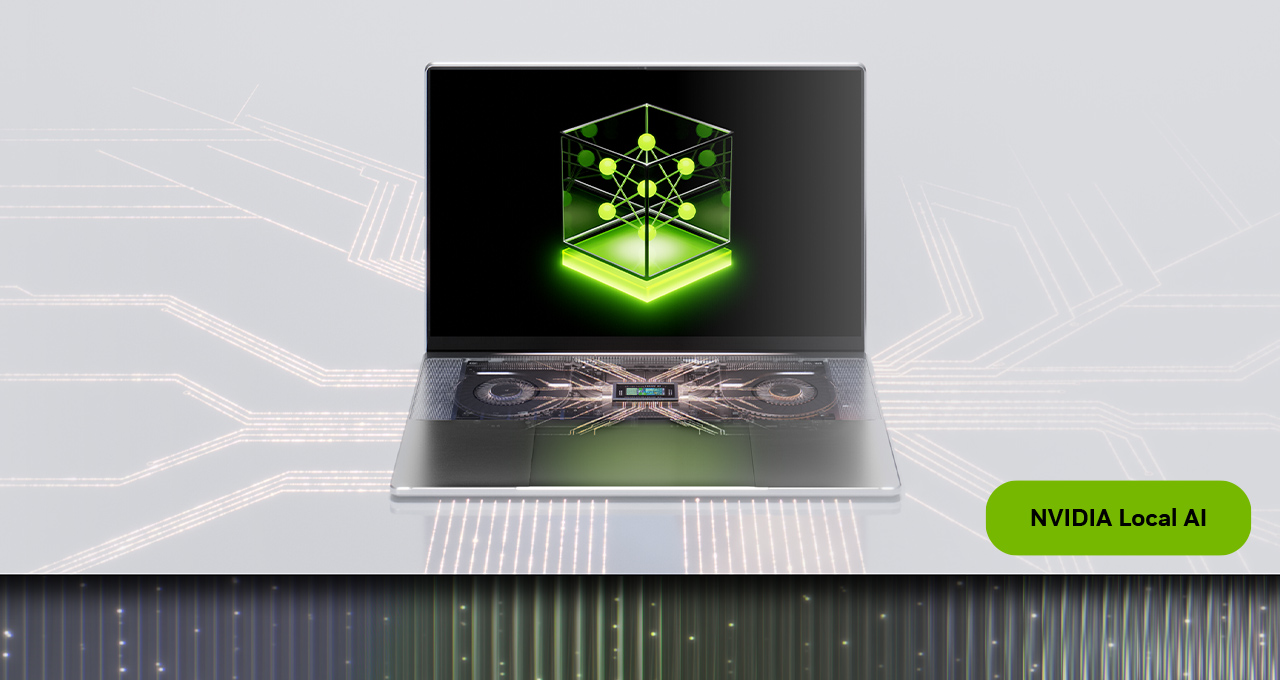
The evolution of Windows laptops with NVIDIA RTX Spark architecture: power and local AI in a portable format
In today's technological landscape, the search for a balance between maximum portability and extreme computing power has found a concrete answer in the new Windows laptops powered by NVIDIA RTX Spark. As a technology laboratory, we closely follow the evolution of hardware platforms that combine advanced graphic processing and artificial intelligence directly on the device, and this new generation of laptops represents an important generational leap for professionals, developers, and enthusiasts.
The bisp&d perspective: what really changes
The true revolution introduced by RTX Spark systems lies in their internal architecture. Abandoning the traditional sharp separation between components, these laptops integrate a GPU based on the Blackwell architecture and a Grace CPU within a single superchip. This solution makes it possible to leverage a unified memory reaching up to 128 GB, guaranteeing professional-level artificial intelligence computing power (up to 1 petaflop of performance in FP4 format) in a thin and lightweight chassis.
This means that advanced tools, automated assistants, and large language models no longer require constant cloud access to function efficiently. Resource management has also been optimized through controls integrated into the dedicated application, allowing the user to balance computing power between foreground applications and background operational agents.
Who is this technology for?
This category of devices targets a very specific audience that requires high performance on the move:
- Developers and data scientists: who can test, run, and fine-tune local AI models (such as the Liquid AI LFM3 model family or advanced Nemotron transcription systems) directly on their machine.
- Creators and content professionals: thanks to native support for complex workflows, heavy editing, and audio/video management assisted by intelligent algorithms.
- Advanced gamers: looking for compact machines capable of harnessing advanced graphic technologies such as ray tracing and the latest iterations of DLSS for top-tier titles.
What to check before proceeding with the purchase
Before investing in an RTX Spark-based configuration, it is advisable to make a few practical evaluations:
- Workload requirements: evaluate whether unified memory and local computing power are truly necessary for your daily workflow compared to a traditional workstation.
- Hardware configuration: check the amount of unified memory and integrated storage space, elements that are not always easily expandable in such a thin design.
- System settings: ensure that advanced features, such as hardware-accelerated GPU scheduling in the Windows environment, are properly configured to make the most of dynamic resource management.
Useful conclusion
Windows laptops equipped with NVIDIA RTX Spark technology redefine the standards of what a thin portable computer can achieve in terms of productivity and advanced computing. For those who work daily with local artificial intelligence or seek uncompromising graphic performance without sacrificing mobility, this is a top-tier solution. In our Piombino laboratory, we remain at your disposal to explore the compatibility of these systems with your specific professional or creative needs.
Related products
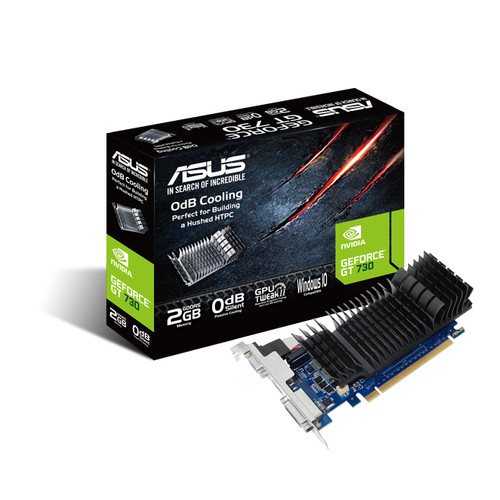
ASUS VGA GEFORCE GT 730, GT730-SL-2GD5-BRK, 2GB GDDR5, VGA/DVI/HDMI, 90YV06N2-M0NA00

ASUS NB 16" TUF i7-14650HX 16GB 1T SSD RTX 5070 8GB WIN 11 HOME
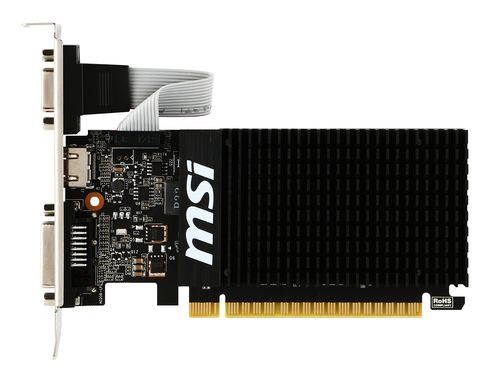
MSI VGA GEFORCE GT 710, GT 710 2GD3H LP, 2GB GDDR3, DVI/HDMI/VGA, LP